
Home Inspection vs. Appraisal: What First-Time Buyers in Michigan Need to Know
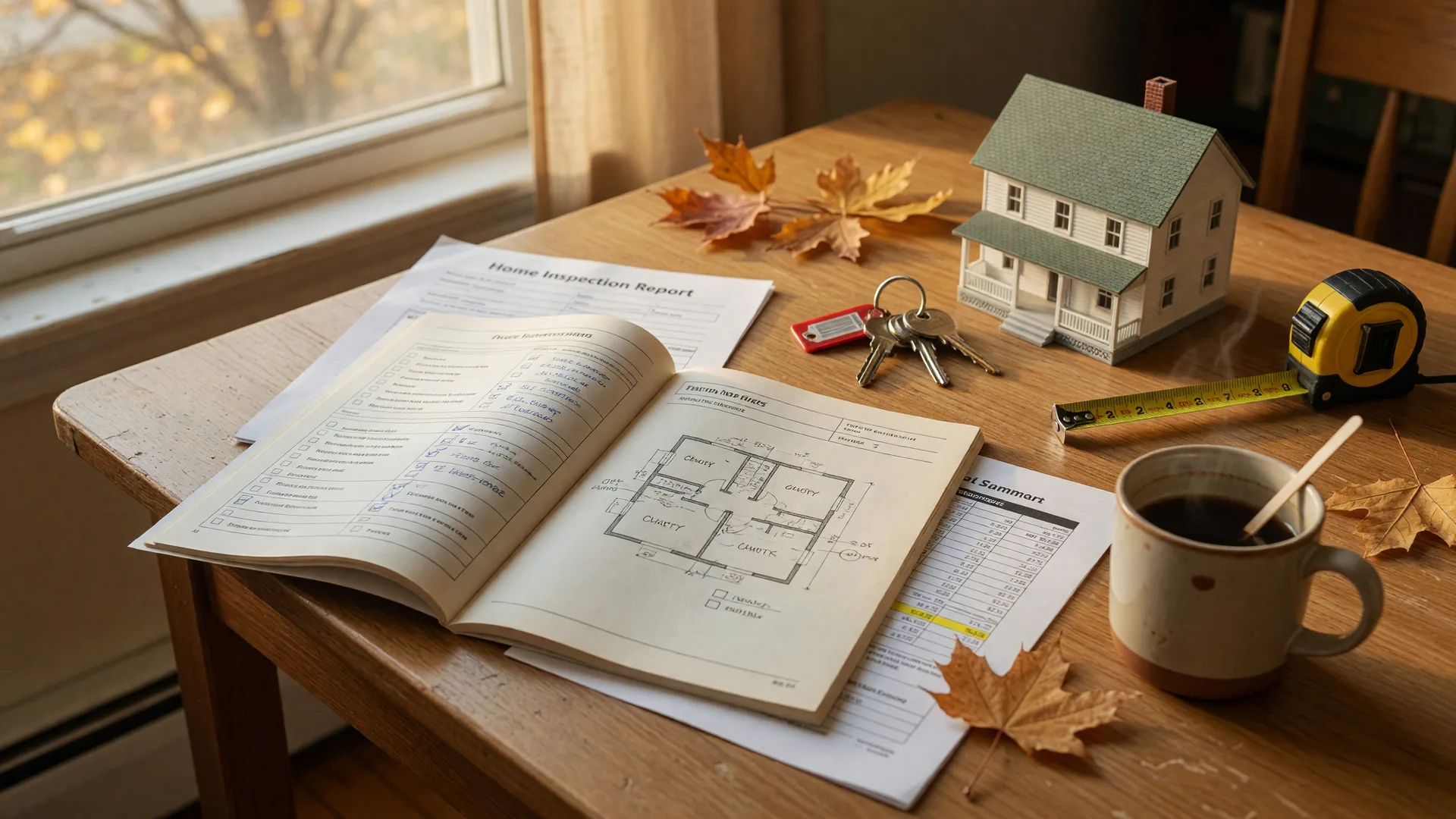
A local agent helps buyers and sellers in Grand Blanc and nearby Mid-Michigan communities make sense of the two steps that trip up more first-time buyers than almost anything else: the home inspection and the appraisal. They sound similar, they both happen after you sign an offer, and you pay for both, but they answer completely different questions. The inspection asks, "Is there anything wrong with this house?" The appraisal asks, "Is this house worth what we agreed to pay?" Understanding that one difference, and how each result is used, gives first-time buyers far more confidence between the signed contract and closing day.
I am Joyce England, a licensed REALTOR (Michigan Salesperson License #6501399419) with Keller Williams First in Grand Blanc. I have more than 20 years of real estate administration, marketing, and transaction experience, and I have been licensed since 2014, guiding buyers across Genesee, Oakland, Livingston, Shiawassee, Saginaw, Lapeer, and Tuscola Counties. This guide walks through the home inspection vs. appraisal difference in plain language, with current 2026 costs, timelines, and what to do when the results come back.
What Is the Difference Between a Home Inspection and an Appraisal?
The simplest way to keep them straight: a home inspection protects you, the buyer, from buying a house with hidden problems, while an appraisal protects the lender from lending more money than the home is worth. You can think of the inspection as a condition report and the appraisal as a value report. A first-time buyer in Michigan needs both on almost every financed purchase.
- Home inspection: a detailed, visual examination of the property's condition, ordered by the buyer, typically as part of the inspection contingency in the purchase agreement.
- Appraisal: an independent opinion of market value, ordered by the lender, used to confirm the property supports the loan amount.
- Who benefits: the inspection protects your money and your peace of mind; the appraisal protects the lender's money (and, indirectly, yours, because an overpriced loan can leave you owing more than the home is worth).
- What you can do with each: inspection findings can lead to repair requests or a price adjustment, while an appraisal that comes in low can trigger renegotiation or a cash gap.
What a Home Inspection Does
A home inspector walks through the property and examines the roof, foundation, basement or crawl space, plumbing, electrical system, heating and cooling, insulation, windows, doors, and visible structure. It is a visual, non-invasive review, not a code inspection and not a guarantee. The on-site visit for a typical single-family home takes about two to four hours, and the written report usually arrives within 24 to 48 hours afterward.
In Michigan, home inspectors are not licensed or regulated by the state, so the strongest credibility marker is voluntary certification from a professional body such as the American Society of Home Inspectors (ASHI) or InterNACHI, which typically requires passing the National Home Inspector Exam and continuing education. My guide on what to look for when hiring a home inspector covers how to vet one, and my home inspections 101 guide walks through what gets checked in a typical Mid-Michigan home.
What a Home Appraisal Does
An appraiser is a licensed professional who visits the property, measures it, photographs it, and compares it against recent sales of similar homes nearby. Unlike the inspector, the appraiser's job is value, not condition (though condition factors into value). The appraiser is hired by the lender through an appraisal management company, so neither you nor your agent directs the outcome. For most loan types, the appraisal is required before the lender will fund the mortgage.
Because the appraiser answers to the lender, the process is intentionally independent. Your agent can still provide recent comparable sales for the appraiser to consider, which is one of the quiet ways an experienced local REALTOR adds value. To understand the document itself, see my guide on how to read and understand a home appraisal report.
Who Orders Each One, and Who Pays?
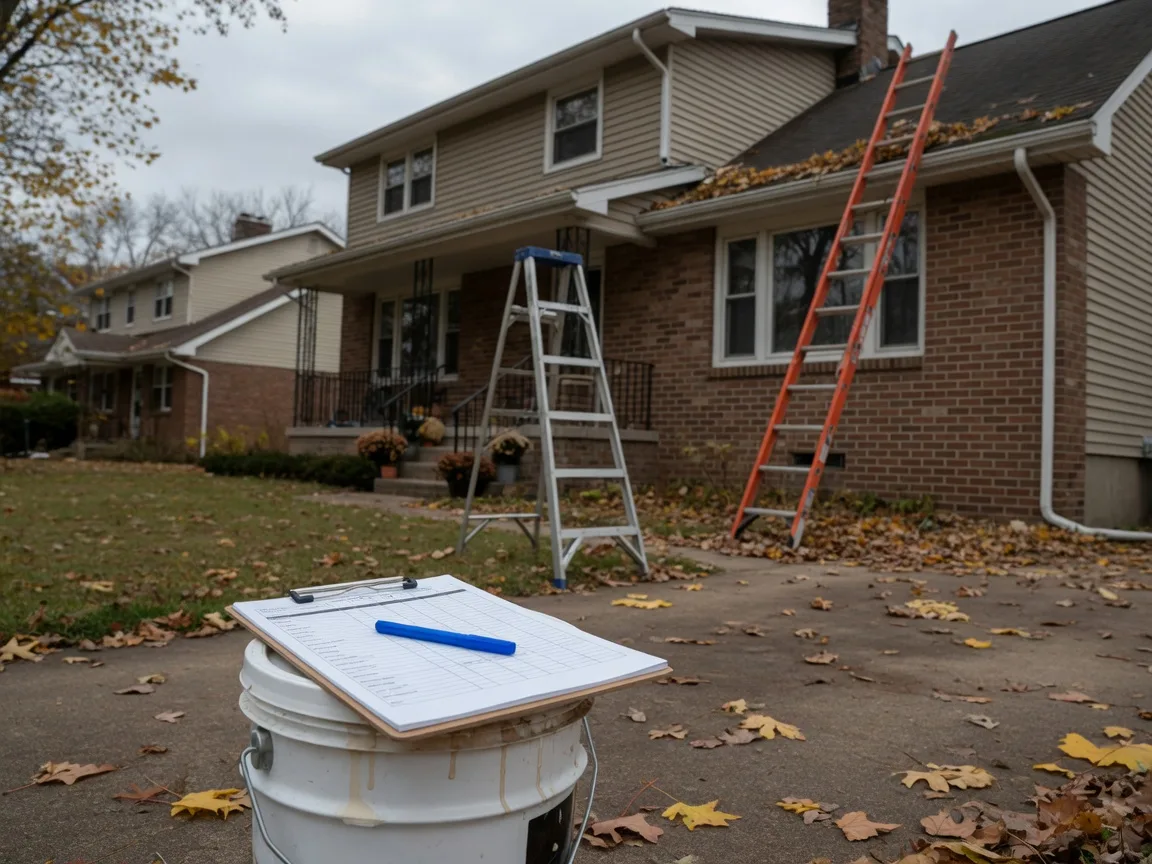
The buyer schedules and pays for the home inspection. In 2026, a standard single-family inspection typically runs about $300 to $600 depending on home size, with the national average around $344 per Angi. Add-ons such as radon testing, sewer scope, or well and septic checks cost extra, and they are usually worth it in Michigan, where elevated radon and aging wells and septic systems are common in outlying areas.
The lender orders and pays for the appraisal, but the cost is almost always passed through to you in your closing costs or paid at the time of the loan. A typical single-family appraisal in 2026 runs about $300 to $500, with higher fees for condos, multi-family properties, or larger luxury homes. Because the appraisal is lender-ordered, it cannot be shared with the seller until the lender releases it, and you generally cannot negotiate its fee.
How Long Does Each One Take in 2026?
The inspection is fast once it is scheduled. In most markets, a buyer can book an inspection within a few days, the on-site visit takes two to four hours, and the full report follows within 24 to 48 hours. That fits neatly inside the typical seven to ten day inspection contingency in a Michigan purchase agreement.
The appraisal takes longer because of scheduling, the appraisal management company process, and report delivery. From order to delivery, appraisals typically take six to twenty days, even though the property visit itself lasts only about thirty minutes to a few hours. Buyers should expect roughly one to two weeks between the lender ordering the appraisal and the finished report landing in underwriting. That is why a typical financed closing in Michigan runs 30 to 45 days from acceptance, and why my contract-to-keys timeline builds both steps into the calendar.
What Happens When Something Comes Back?
When Inspection Findings Come Back
Almost every inspection surfaces at least a few findings. Most are routine maintenance items, a dripping faucet, a missing gutter splash block, an older water heater near the end of its life. A smaller number are significant: a roof nearing the end of its useful life, an outdated electrical panel, basement moisture, or an HVAC system with real age. During the inspection contingency, you can request repairs, ask for a credit or price adjustment, accept the home as-is, or walk away and recover your earnest money.
Safety and structural items deserve attention, whether you ask the seller to fix them or negotiate a credit. Cosmetic and deferred-maintenance items are fair subjects for negotiation. Your agent's job is to separate "must address" from "leverage" and keep the deal moving. My guide to what happens after you accept an offer walks through the repair-request conversation in detail.
When the Appraisal Comes in Low
When the appraised value comes in below the contract price, the lender will only finance up to the appraised value, and the difference has to be resolved. Common options include renegotiating the price to the appraised amount, having the buyer cover the gap in cash, or challenging the value by submitting additional recent comparable sales. The final value decision belongs to the appraiser and the lender, not the buyer or the agent. My post on what to do when your home appraises below the offer price covers each path, and what happens after the appraisal explains the steps from that point to closing.
Voice Search Questions First-Time Buyers Ask
Do I really need both a home inspection and an appraisal?
Yes, on nearly every financed purchase in Michigan. The inspection tells you about the condition of the home, and the appraisal tells the lender what it is worth. A cash buyer might be able to skip the appraisal, but skipping the inspection on any home is risky. Think of the two together as the safety net under your biggest purchase.
Can the home inspection lower the price?
It can, indirectly. If the inspection reveals significant repair needs, you can negotiate a price reduction, a seller credit, or repairs during the inspection contingency. The inspection itself does not set the price, but its findings give you the evidence to ask for a better deal. Most sellers expect at least one request after the inspection.
What happens if the appraisal is lower than my offer?
Your lender will only finance up to the appraised value, so the gap must be resolved: renegotiate the price, make up the difference in cash, or challenge the value with comparable sales. An experienced agent walks you through your options before you make a decision. The appraisal is independent, so no one can simply "fix" the number.
Should I attend the home inspection?
Yes, if you can. Inspectors welcome buyer questions, and walking through the home with the inspector is the best way to understand the report, see small issues in person, and learn how to maintain the home after you move in. Most buyers find it far more reassuring than reading the report alone.
Who does the appraisal protect, the buyer or the lender?
Primarily the lender. The appraisal confirms the home supports the loan amount, which protects the lender if you ever default. It also protects you, because it helps keep you from borrowing more than the property is worth. On government-backed loans like FHA or VA, the appraisal also checks minimum property condition standards.
Why a Local Agent Matters for First-Time Buyers in Grand Blanc and Across Mid-Michigan
The inspection and the appraisal both run on deadlines, and in today's Mid-Michigan market those deadlines matter more than ever. In Genesee County, the median sale price was about $239,000 for the three months ending August 2026, up roughly 6% year over year, while Grand Blanc's median sale price sat around $301,000. Homes still go pending quickly in popular communities, often within about a week and a half, even as days on market have stretched toward one to two months in parts of the region. When a home moves fast, a buyer who understands the inspection and appraisal process can move with confidence instead of panic.
That is where a local agent earns their place. I coordinate the inspection window, recommend vetted inspectors, provide the comparables an appraiser may consider, track every contract deadline, and stay personally involved from your first offer through closing day. Unlike a national portal, I know the age and condition patterns of homes in Grand Blanc, Fenton, Davison, Linden, and the surrounding communities, and I know which findings are routine and which deserve a second opinion. If you are buying your first home anywhere in the Mid-Michigan counties I serve, I am glad to walk you through each step. Reach me at 810-513-3335 or through my contact page, read more about my approach on my about page, and see the communities I cover on my cities served page.
A Note on Professional Guidance
This guide is educational, not legal, financial, or technical advice. I am a REALTOR, not a home inspector, appraiser, lender, or attorney. The inspection contingency and appraisal deadlines in your agreement are governed by the contract itself and Michigan law, so confirm the details of each step with the qualified professional handling it, whether that is your chosen home inspector, the licensed appraiser, your lender, or a Michigan real estate attorney. I am glad to answer your questions about the buying process itself and to point you to trusted local professionals across Mid-Michigan.
FAQ: Home Inspection vs. Appraisal for First-Time Buyers
How does a local agent help buyers and sellers in Grand Blanc and nearby communities?
A local agent coordinates the inspection, shares comparables for the appraisal, tracks every deadline, and explains each report in plain language. Joyce England, licensed since 2014 at Keller Williams First, keeps first-time buyers on track from offer to closing. Reach her at 810-513-3335.
Which one do I pay for, the inspection or the appraisal?
You pay for the home inspection directly, typically $300 to $600. The lender orders the appraisal and passes the $300 to $500 cost through to you in closing costs. Both are normal parts of a financed purchase in Michigan.
Can a home fail an inspection?
An inspection does not pass or fail a home. It reports condition. Significant safety or structural findings can lead to repair requests, a credit, or a decision to walk away during the contingency. Most homes have at least a few minor findings.
Is the appraisal the same as the asking price?
No. The appraisal is an independent estimate of market value based on recent comparable sales. It can match, exceed, or come in below the agreed price. A low appraisal means the lender will only finance up to the appraised value.
How long do both take?
The inspection takes two to four hours on site with the report in 24 to 48 hours. The appraisal takes six to twenty days from order to delivery. Together they fit comfortably inside a typical 30 to 45 day closing timeline.
Related Reading
- The First-Time Home Buyer Guide for Mid-Michigan
- How to Get Mortgage Pre-Approval in Mid-Michigan
- Home Inspections 101: What Happens and Why It Matters
- How to Read and Understand a Home Appraisal Report
- What Happens After the Appraisal? Next Steps to Closing
- Contract to Keys: The Home Buying Timeline
- About Joyce England, REALTOR
- Cities Served Across Mid-Michigan
- Contact Joyce England
For community-level perspective on where you might move next, including local neighborhoods and everyday life, my team also publishes area guides at midmichiganliving.com.
Tags
First-Time Buyers · Buyer Education · Home Buying · Michigan Real Estate · Michigan Housing Market · Offer Strategy · Mortgage & Financing · Homeowner Tips · Industry Insights · Seller Education

Keller Williams First · Licensed since 2014 · 20+ years of real estate industry experience · 810-513-3335