Hiring a Home Inspector: What to Look For
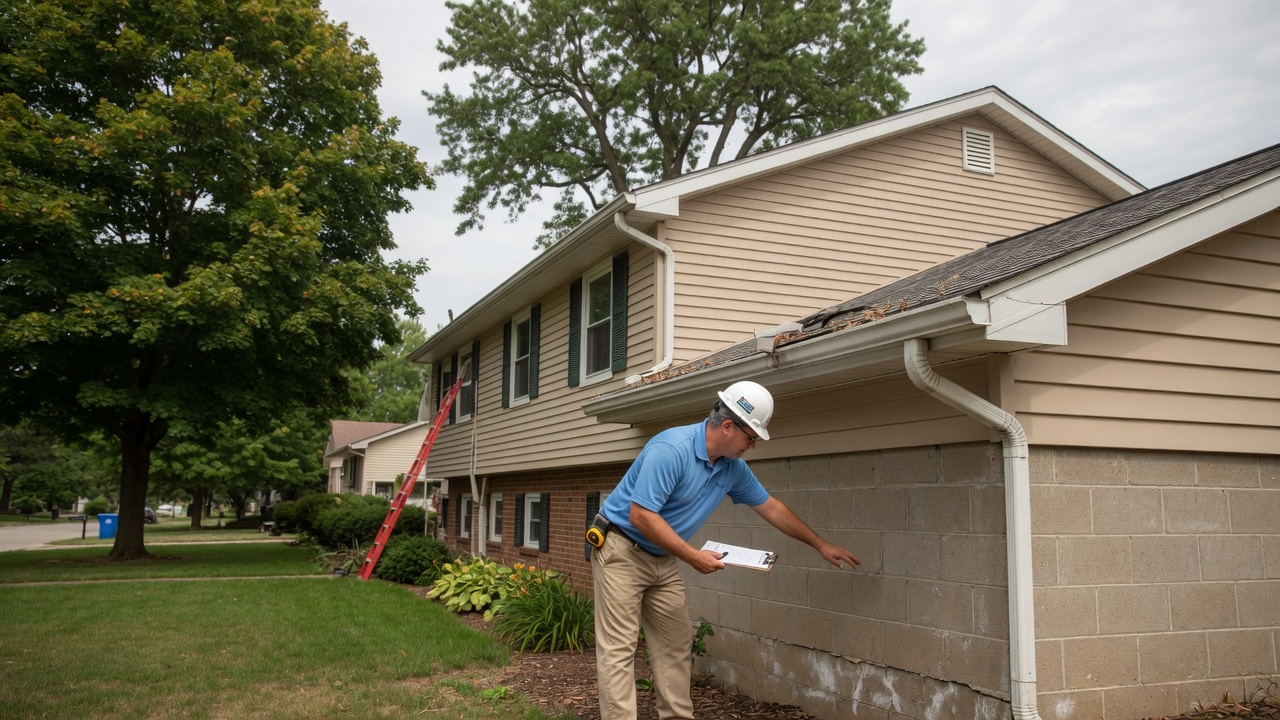
A home inspection is one of the most important steps in the home buying process — and one of the most misunderstood. After helping dozens of buyers in Mid-Michigan navigate inspection contingencies, I've seen how the right inspector can save you tens of thousands of dollars, and how the wrong approach to the inspection process can create unnecessary stress. This guide will walk you through what to look for when hiring an inspector, what they actually check, the red flags specific to Michigan homes, and how to make sense of the report once you have it.
Why the Inspector Matters More Than You Think
Your home inspector is the person who tells you what's behind the walls, under the floors, and on top of the roof — things you simply cannot evaluate on your own during a showing. In Michigan, home inspections are not required by law, but they are strongly recommended and almost always conducted as part of a purchase agreement contingency. A good inspector doesn't just identify problems — they help you understand the severity of what they find, distinguish between cosmetic issues and structural concerns, and give you the information you need to negotiate repairs or make an informed decision about proceeding with the purchase.
How to Choose the Right Home Inspector
Not all inspectors are created equal. Here's what I recommend my clients look for when selecting an inspector:
- Licensing and certifications. Michigan requires home inspectors to be licensed through the Department of Licensing and Regulatory Affairs (LARA). Verify that any inspector you're considering holds a current Michigan license. Additional certifications — such as ASHI (American Society of Home Inspectors) or InterNACHI membership — indicate a commitment to ongoing education and professional standards beyond the state minimum.
- Experience with Michigan homes. Inspector expertise is regional. Michigan homes face specific challenges — freeze-thaw cycles, high water tables, older furnace systems, and well/septic considerations in rural areas. An inspector who has evaluated hundreds of Michigan homes will recognize these issues instinctively. Ask how long they've been inspecting in the area and how many inspections they've completed.
- Report quality. Ask to see a sample report before you hire. A thorough inspection report should include detailed descriptions, photographs of findings, and clear severity ratings. A report that's just a checklist with pass/fail marks doesn't give you the information you need. Modern inspectors typically deliver digital reports with annotated photos — this is the standard you should expect.
- Availability and communication. In a competitive market, timing matters. Your inspector needs to be available within the inspection contingency window — typically 7 to 10 days from the acceptance of your offer. A responsive inspector who communicates clearly and is willing to answer questions after you've received the report is worth their weight in gold.
- Referrals from local agents. Your agent should have a list of inspectors they trust — not because the inspector will go easy on the report, but because experienced agents know which inspectors are thorough, reliable, and communicative. I provide my clients with a list of licensed inspectors and encourage them to choose the one that fits their needs. A good inspector is an ally in the process, not an adversary.
What a Home Inspector Actually Checks
A standard home inspection in Michigan typically takes two to four hours, depending on the size and condition of the home. Here's what a comprehensive inspection covers:
Structural Components
The inspector evaluates the foundation, framing, floors, walls, and ceilings for signs of structural movement, cracks, settling, or water intrusion. In Michigan, foundation assessment is especially critical — freeze-thaw cycles put enormous stress on concrete foundations, and many homes in the region have basements that are vulnerable to water intrusion. The inspector will look for horizontal cracks, stair-step cracks in block foundations, bowing walls, and signs of previous repair.
Roof and Attic
The inspector examines the roof covering, flashing, gutters, downspouts, and visible roof structure from both the exterior and the attic space. They'll note the approximate age and remaining useful life of the roofing material, check for signs of leaks or water damage in the attic, evaluate ventilation and insulation, and look for any structural concerns with rafters or trusses. In Michigan, ice dam damage is a common finding — look for staining or water marks along soffits and fascia boards.
Plumbing System
The inspector checks visible supply and drain pipes, tests faucets and fixtures, evaluates water pressure, inspects the water heater, and notes the type and condition of the plumbing materials. In older Michigan homes, you may encounter galvanized steel or even lead pipes, which can restrict water flow and raise water quality concerns. Homes on well water should also be tested for bacteria, minerals, and other contaminants — this is typically handled as a separate test but is strongly recommended.
Electrical System
The inspector evaluates the electrical panel, visible wiring, outlets, switches, and grounding system. They'll note the panel's amperage capacity, check for outdated wiring types (such as knob-and-tube or aluminum branch wiring), test GFCI outlets in wet areas, and identify any safety hazards such as double-tapped breakers, missing outlet covers, or improperly wired outlets. Electrical issues are among the most common findings in Michigan home inspections, particularly in homes built before 1970.
HVAC (Heating, Ventilation, and Air Conditioning)
Michigan's heating season is long and demanding, making the HVAC system one of the most critical components of any home. The inspector will identify the type and age of the furnace and air conditioner, check for proper operation, inspect visible ductwork, evaluate the thermostat, and look for safety issues such as cracked heat exchangers or improper venting. A cracked heat exchanger in a gas furnace is a serious safety concern — it can allow carbon monoxide to enter the living space and typically requires furnace replacement.
Interior and Exterior
The inspector examines windows, doors, floors, countertops, cabinets, and bathrooms for damage, moisture issues, or functionality problems. On the exterior, they'll evaluate the siding, grading and drainage, driveways, walkways, decks, porches, and attached structures. Proper drainage away from the foundation is essential in Michigan — improper grading is one of the most common causes of basement water problems.
Michigan-Specific Red Flags to Watch For
Beyond the standard inspection items, Michigan homes present specific concerns that an experienced local inspector will be attuned to:
- Basement moisture and water intrusion. Michigan's high water table, heavy spring rains, and freeze-thaw cycles make basement water problems extremely common. Look for efflorescence (white mineral deposits) on foundation walls, stained or cracked concrete floors, musty odors, and evidence of previous water damage. A sump pump should be present and operational in most Michigan basements — ask about its age and whether a backup system is installed.
- Older furnace systems. Michigan homes with furnaces older than 15–20 years deserve careful scrutiny. Beyond general efficiency concerns, older gas furnaces may have cracked heat exchangers — a safety issue that can be difficult to detect visually. Ask the inspector to specifically evaluate the furnace for signs of wear and note its remaining useful life.
- Well and septic systems. Many properties in rural and semi-rural parts of Mid-Michigan — particularly in Lapeer, Shiawassee, Tuscola, and northern Oakland and Genesee Counties — rely on private wells and septic systems. A standard home inspection does not typically include a well flow test or septic inspection; these are separate services that should be arranged during the inspection contingency period. Well testing should include bacteriology, mineral content, and flow rate. A septic inspection should include tank pumping and evaluation of the drain field.
- Radon. Michigan is in a moderate-to-high radon zone. Radon is a naturally occurring radioactive gas that can enter homes through cracks in the foundation and accumulate to dangerous levels. A radon test is separate from a standard home inspection but is strongly recommended for every Michigan home purchase. Short-term tests take 48–96 hours; results above 4.0 pCi/L warrant mitigation, which is a straightforward and relatively affordable fix.
- Ice dam damage. Look for water stains on ceilings, warped or stained soffits, and damaged or missing insulation in attic spaces near the eaves. Ice dams form when heat escaping from the attic melts snow on the roof, which then refreezes at the eaves. This is a chronic issue in Michigan's older homes and can cause significant interior damage if not addressed.
- Asbestos and lead paint. Homes built before 1978 may contain lead-based paint; homes built before 1980 may contain asbestos in insulation, floor tiles, or pipe wrapping. A standard home inspection identifies suspected materials but does not test for them. If your inspector identifies potential asbestos or lead paint, specialized testing is recommended before purchase.
How to Read Your Inspection Report
Most modern inspection reports are 30 to 60 pages long, delivered as a digital document with photos and detailed descriptions. The sheer volume of information can be overwhelming, but here's how to approach it:
- Focus on severity, not volume. A report with 40 findings sounds alarming, but if most of them are minor maintenance items — a cracked outlet cover, a dripping faucet, a missing gutter splash block — they're not cause for concern. The inspector should categorize findings by severity: safety hazards, significant defects, minor maintenance items, and cosmetic issues.
- Separate safety issues from maintenance. Safety issues — cracked heat exchangers, aluminum wiring, active electrical hazards, structural movement, radon levels above 4.0 pCi/L — require immediate attention. Maintenance items are expected in any home and can often be addressed over time.
- Ask the inspector to explain. A good inspector is available after you've reviewed the report to answer questions. Don't hesitate to call and ask, "What does this mean? How serious is this? What would you do if this were your purchase?" That conversation can be more valuable than the report itself.
- Use the report to negotiate. Significant findings can be used as leverage in your purchase negotiations. You can request that the seller repair specific items, offer a price reduction, or provide a home warranty to cover potential issues. Your agent will help you determine what's reasonable to request and what strategy makes the most sense for your situation.
What to Do with the Findings
Once you've reviewed the report, there are generally three paths forward:
- Proceed as-is. If the findings are minor maintenance items, you may decide to move forward without requesting repairs. This is common and can strengthen your offer in a competitive situation.
- Request repairs or credits. For significant findings — especially safety issues or expensive system replacements — you can ask the seller to complete repairs before closing or offer a financial credit so you can address the issues yourself after purchase. Credits give you control over the quality and timing of the work.
- Walk away. If the report reveals major structural problems, extensive water damage, failing systems, or environmental hazards that exceed your comfort level or budget, the inspection contingency allows you to terminate the purchase agreement and recover your earnest money. It's not a decision to make lightly, but it's exactly what the contingency is designed to protect.
I walk my clients through every finding and help them understand which issues are cosmetic, which are manageable, and which should give them pause. The goal isn't to find a perfect home — no home is perfect — but to ensure you're making a fully informed decision.
Related Reading
If you're navigating the buying process, these resources may help:
- Contingencies 101: Protecting Yourself as a Buyer
- From Contract to Keys: The Home Buying Timeline
- The Hidden Costs of Homeownership
- Mid-Michigan Home Warranty: Worth It or Not?
- New Construction vs. Resale: Which Is Right for You?
Ready to Start Your Home Search?
Finding the right home is exciting — and a thorough inspection ensures your excitement is built on a solid foundation. If you're planning to buy a home in Mid-Michigan and want a partner who will guide you through every step of the process, I'm here to help. Schedule a consultation, call me at 810-513-3335, or visit my contact page. Let's find a home you'll feel great about — inspection report and all.

Keller Williams First · 810-513-3335 · Schedule a consultation