Home Inspections 101: What Happens and Why It Matters
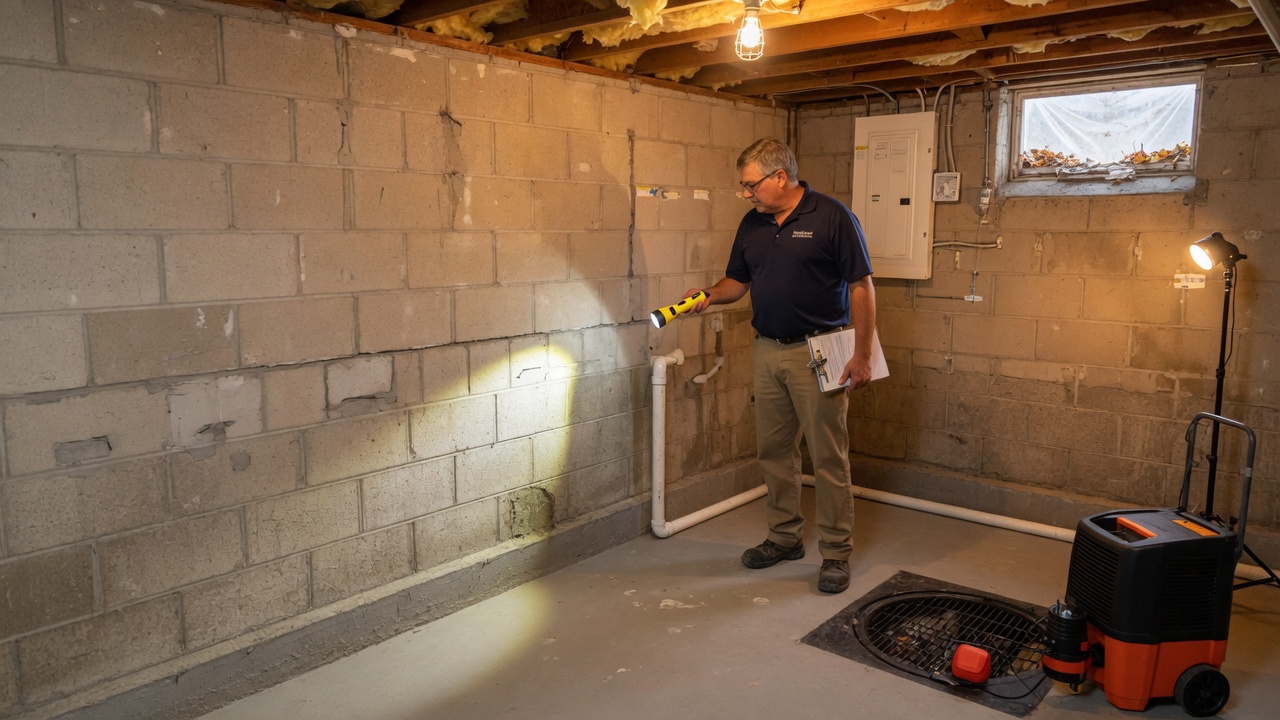
The home inspection is one of the most critical steps in any real estate transaction — and one that generates more questions, more anxiety, and more confusion than almost anything else in the home buying timeline. After guiding dozens of buyers through inspections across Mid-Michigan, I can tell you that the process doesn't have to be overwhelming. When you understand what an inspection covers, what to expect in a typical Michigan home, and how to make sense of the report, you'll walk into this phase with far more confidence than most buyers.
What Is a Home Inspection?
A home inspection is a comprehensive, visual evaluation of a property's major systems and structural components. It is conducted by a licensed professional — Michigan requires home inspectors to be licensed through the Department of Licensing and Regulatory Affairs (LARA) — and typically takes two to four hours depending on the size and condition of the home.
The inspector examines the home's exterior, interior, structural elements, roof, foundation, plumbing, electrical, HVAC, insulation, and ventilation. They are looking for significant defects, safety hazards, deferred maintenance, and items that may need repair or replacement. The result is a detailed report — usually 30 to 60 pages — with photographs, descriptions, and severity ratings for every finding.
In Michigan, a home inspection is not legally required, but it is almost always conducted as part of the purchase agreement. Your inspection contingency gives you a defined window — typically 7 to 10 days — to have the inspection completed and decide how to proceed.
What Happens on Inspection Day?
Here's the typical flow of a home inspection, from start to finish:
Before the Inspection
Your agent (that's me) will coordinate scheduling with the inspector and the listing agent. You should plan to attend the inspection in person — most inspectors welcome buyer presence and encourage questions. Arrive toward the end of the inspection or, if you can, be present for the full walkthrough. Bring a notebook or use your phone to take notes. You don't need to understand every technical detail, but writing down questions as they come up will help you process the report later.
During the Inspection
The inspector will start at the exterior, evaluating the foundation, siding, grading, driveways, walkways, decks, and porches. They'll then move inside, systematically checking each room — testing outlets, opening windows, running faucets, flushing toilets, and examining floors and walls for signs of water damage, settling, or other concerns.
Upstairs, they'll inspect the attic for insulation depth, ventilation adequacy, signs of moisture intrusion, and the condition of the roof structure from below. In the basement, they'll evaluate the foundation walls, floor joints, sump pump, water heater, and any visible plumbing or electrical components. If the home has a crawl space, they'll examine it for moisture, vapor barriers, and structural support.
The roof gets evaluated from both the ground (with binoculars or a drone) and from the attic space. The inspector will note the approximate age and condition of the roofing material, check flashing and gutters, and look for signs of leaks or ice dam damage — a common issue in Michigan's older Michigan homes.
The HVAC system is tested and evaluated. The furnace is turned on, the air conditioning is tested when seasonal, and the inspector checks ductwork, the thermostat, and safety controls. In Michigan's long heating season, a failing furnace can be a very expensive surprise — this is one area where you want clear answers.
After the Inspection
Most inspectors provide a verbal summary at the end of the walkthrough before they leave. Within 24 to 48 hours, you'll receive the full digital report. This is where the real work begins.
Common Issues Found in Mid-Michigan Homes
Every home is different, but after years of working in this market, I see certain patterns emerge again and again. Here's what shows up frequently in Mid-Michigan inspection reports:
Older Basements and Water Intrusion
Michigan's high water table, combined with freeze-thaw cycles and heavy spring rains, makes basement moisture one of the most common inspection findings in the region. Inspectors look for efflorescence (white mineral deposits on foundation walls), staining, musty odors, cracked floor drains, and evidence of previous water damage. A functioning sump pump is essential — ask about its age and whether a battery backup system is installed. In many older homes, particularly those built before the 1980s, foundation waterproofing may be inadequate or have deteriorated over time. This is fixable, but it's important to understand the scope and cost before you proceed.
Roof Age and Condition
Roofs in Michigan take a beating from ice, snow, wind, and summer heat. An asphalt shingle roof that's 15 to 20 years old may be nearing the end of its useful life, and inspectors will note the approximate age and remaining condition. Look for missing or curling shingles, damaged flashing, sagging gutters, and evidence of ice dam damage along the soffits and fascia. A roof replacement is one of the most expensive repairs a homeowner faces — typically $8,000 to $15,000 or more depending on size and material — so this finding often factors heavily into renegotiation discussions.
Radon
Michigan is in a moderate-to-high radon zone. Approximately one in four Michigan homes has elevated radon levels at or above the EPA's action level of 4.0 picocuries per liter (pCi/L). Radon is a naturally occurring radioactive gas that enters homes through cracks in the foundation and can accumulate to dangerous levels in enclosed spaces. A radon test is separate from a standard home inspection — short-term tests take 48 to 96 hours — and is strongly recommended for every Michigan home purchase. If levels are elevated, mitigation is straightforward and typically costs between $800 and $1,500. This is not something to skip or dismiss.
Well and Septic Systems
Many properties in rural and semi-rural parts of Mid-Michigan — including areas of Lapeer, Shiawassee, Tuscola, and northern Genesee and Oakland Counties — rely on private wells and septic systems. A standard home inspection does not include a well flow test or septic evaluation; these are separate services that should be arranged during the inspection contingency period. Well testing should include bacteriology, mineral content, and flow rate. A septic inspection should include tank pumping and evaluation of the drain field. If the home is on municipal water and sewer, this isn't a concern — but in outlying areas, it absolutely is.
Electrical and HVAC Concerns
Older Michigan homes — particularly those built before 1970 — may have outdated electrical panels (Federal Pacific, Zinsco), insufficient amperage, aluminum branch wiring, or a combination of wiring types from past additions. The inspector will note panel capacity, wiring type, and any safety hazards. For HVAC, furnaces older than 15 to 20 years deserve careful attention. A cracked heat exchanger in a gas furnace is a serious safety concern — it can allow carbon monoxide into the living space and typically requires full furnace replacement. Energy-efficient upgrades can also be evaluated during this process.
How to Read the Inspection Report
Receiving a 40-page report with dozens of findings can feel alarming, but perspective matters. Here's how to approach it:
- Focus on severity, not volume. Most reports categorize findings by severity: safety hazards, significant defects, minor maintenance items, and cosmetic issues. A report with 30 findings where 25 are maintenance items (a dripping faucet, a cracked outlet cover, a missing gutter splash block) is a very different situation than one with three safety hazards.
- Separate what's urgent from what's routine. A cracked heat exchanger, active electrical hazards, structural movement, or radon levels above 4.0 pCi/L require immediate attention. A dripping faucet, missing weatherstripping, or a slightly worn shingle are routine maintenance that any homeowner addresses over time.
- Ask the inspector to explain. Don't hesitate to call the inspector after you've reviewed the report and ask, "What does this mean? How serious is this? Would you be concerned if this were your purchase?" That conversation can be more valuable than the report itself.
- Use photos as context. A good report includes annotated photos. If the inspector shows you a hairline crack in the foundation wall, seeing the photo helps you understand whether it's cosmetic or structural. If you're unsure, bring in a structural engineer for a specialist opinion on any major foundation concerns.
When to Renegotiate, When to Walk Away
Once you understand the findings, there are generally three paths forward:
Renegotiate or Request Repairs
For significant findings — a roof nearing end of life, a failing furnace, a cracked heat exchanger, foundation water intrusion, or elevated radon — you have the right to request that the seller make repairs before closing, offer a price reduction, or provide a financial credit so you can address the issues after purchase. Credits give you control over the quality and timing of the work, and I generally recommend them over seller-completed repairs for that reason. Your agent will help you determine what's reasonable to request based on the severity of the findings, the local market conditions, and the overall deal.
Proceed As-Is
If the findings are predominantly minor maintenance items that you're comfortable addressing yourself, proceeding without requesting repairs can strengthen your position — particularly in a competitive market. I help my clients weigh this decision carefully, considering both the cost of the repairs and the competitive dynamics of the situation.
Walk Away
If the report reveals major structural problems, extensive water damage, failing systems, environmental hazards, or a combination of issues that exceed your comfort level or budget, the inspection contingency allows you to terminate the purchase agreement and recover your earnest money. It's not a decision to make lightly, but it's exactly what the contingency is designed to protect. The inspection is your opportunity to discover what you're buying. If what you discover changes the equation significantly, walking away can be the smartest financial decision you make.
I've helped buyers make all three decisions, and my role is the same in each case: give you honest, informed guidance so you feel confident in whatever you choose.
Related Reading
- Hiring a Home Inspector: What to Look For
- Contingencies 101: Protecting Yourself as a Buyer
- The Hidden Costs of Homeownership
- From Contract to Keys: The Home Buying Timeline
- First-Time Buyer's Guide to Mid-Michigan
Ready to Talk Inspections?
The home inspection process is one of the areas where having an experienced agent makes the biggest difference. I'll help you choose the right inspector, prepare for the walkthrough, understand the report, and decide on the best path forward based on what we find. If you're planning to buy a home in Mid-Michigan, I'd love to help you navigate every step with confidence. Schedule a consultation, call me at 810-513-3335, or visit my contact page.

Keller Williams First · 810-513-3335 · Schedule a consultation