
Understanding Homeowners Insurance in Michigan: A Complete Guide for Buyers and Sellers
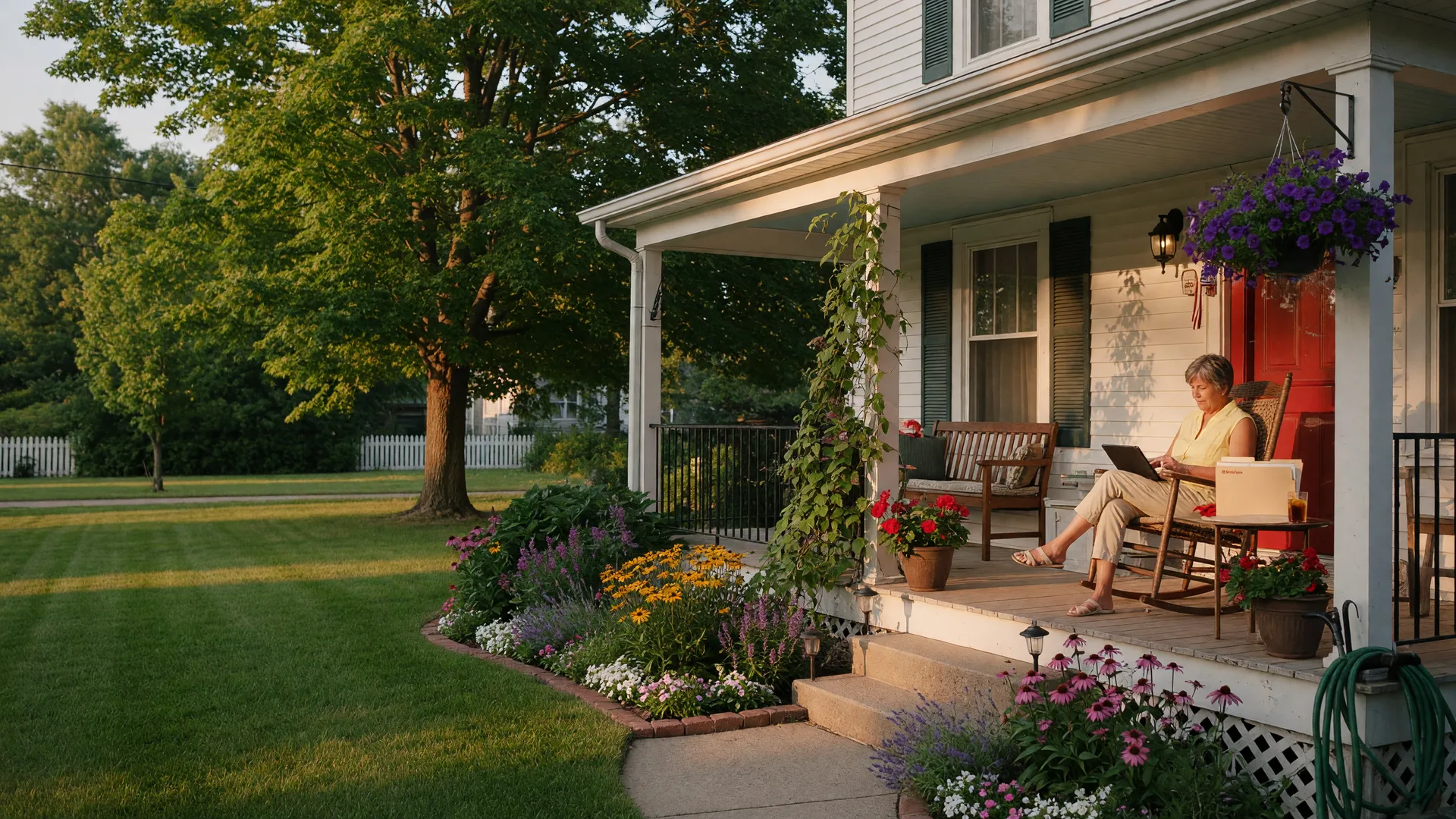
Michigan homeowners insurance is not required by state law, but any home financed with a mortgage will require a lender-mandated policy. As of July 2026, the average annual premium in Michigan ranges from approximately $2,195 to $2,415 for standard dwelling coverage of $300,000, with rates having risen sharply over the past two years. Whether you're buying your first home, refinancing, or preparing to sell, understanding what Michigan homeowners insurance covers, how much it costs, and how it fits into your budget is essential for a smooth real estate transaction. As a licensed REALTOR® with Keller Williams First and over 20 years of real estate industry experience, I help my clients across Genesee, Oakland, Livingston, Lapeer, Shiawassee, Saginaw, and Tuscola Counties navigate every aspect of the home buying and selling process — and insurance is a key piece of the puzzle.
Key Takeaways
- Michigan does not require homeowners insurance by law, but mortgage lenders mandate it for any financed property — and it is strongly recommended even for paid-off homes.
- Average annual premiums range from $2,195 to $2,415 for standard $300,000 dwelling coverage, with rates climbing approximately 21% over the past two years.
- Standard policies cover dwelling, other structures, personal property, liability, and loss of use, but flood, earthquake, and sewer backup typically require separate endorsements.
- Michigan's unique insurance landscape, including weather-related claims and rising replacement costs, is driving premium increases across the state.
- Buyers should shop for insurance early in the home buying process to factor costs into their budget and avoid last-minute closing delays.
Whether you are buying a charming colonial in Grand Blanc, a lakefront property in Fenton, or a new construction home in Oakland County's Clarkston area, homeowners insurance is one of those costs that can catch first-time buyers off guard. Let's break down everything you need to know so there are no surprises at closing or after you move in.
Is Homeowners Insurance Required in Michigan?
Michigan does not have a state law requiring homeowners to carry insurance on their property. However, if you have a mortgage — and most home buyers do — your lender will require you to carry a homeowners insurance policy that meets minimum coverage requirements. The lender is protecting its financial interest in the property, and they will not fund the loan without proof of insurance.
Even if you own your home free and clear, carrying homeowners insurance is strongly recommended. The cost of rebuilding a Mid-Michigan home after a fire, storm, or other covered loss can easily exceed $300,000 — far more than most homeowners could absorb out of pocket. A standard policy costs a fraction of replacement value and provides critical financial protection.
How Much Does Homeowners Insurance Cost in Michigan in 2026?
Michigan homeowners insurance premiums have risen sharply in recent years. As of mid-2026, the average annual premium in Michigan ranges from approximately $2,195 to $2,415 for a standard policy with $300,000 in dwelling coverage. Rates have climbed about 21% over the past two years, and some analyses project an additional 8% increase through the remainder of 2026.
Several factors are driving these increases across the state:
- Rising replacement costs. The cost of building materials and construction labor has increased significantly since 2020, meaning insurers must pay more to rebuild or repair homes after a covered loss.
- Weather-related claims. Michigan has experienced an increase in severe storms, hail events, and flooding in recent years, leading to higher claim volumes and larger payouts across the industry.
- Reinsurance costs. Insurance companies themselves purchase reinsurance to cover catastrophic losses. When those costs rise — as they have nationwide — the increase is passed down to policyholders.
- Regulatory environment. Michigan's insurance market is heavily regulated, and carriers have been adjusting rates to reflect the actual risk and claim experience in the state.
It is important to note that premiums vary significantly based on where you live. A home in Oakland County — where median home values exceed $395,000 — will generally have higher insurance premiums than a home in rural Tuscola County, even with the same level of coverage. Factors like your home's age, construction type, roof condition, and proximity to fire protection also affect your rate.
What Does a Standard Michigan Homeowners Insurance Policy Cover?
A standard homeowners insurance policy (known in the industry as an HO-3 policy) typically covers four main areas:
Dwelling Coverage (Coverage A)
This covers the structure of your home itself — the walls, roof, foundation, built-in appliances, and attached structures like a garage or deck. It pays to repair or rebuild your home after a covered loss, such as fire, windstorm, hail, lightning, vandalism, or theft. Most lenders require dwelling coverage at least equal to the loan amount, but smart homeowners insure for the full replacement cost of the home.
Other Structures (Coverage B)
Detached structures on your property — a standalone garage, shed, fence, or guest house — are covered under this portion of your policy. Coverage is typically set at 10% of your dwelling limit, but you can increase it if you have valuable outbuildings.
Personal Property (Coverage C)
Your belongings — furniture, electronics, clothing, kitchenware, and other personal items — are covered against the same perils as your dwelling. Standard policies cover personal property at actual cash value (which accounts for depreciation) unless you purchase replacement cost coverage, which pays what it would cost to buy new items today. For valuable items like jewelry, art, or collectibles, you may need additional scheduled personal property coverage.
Liability Protection (Coverage E)
If someone is injured on your property or you accidentally cause damage to someone else's property, liability coverage protects you. This covers legal defense costs, medical payments, and settlements up to your policy limit — typically $100,000 to $500,000. An umbrella policy can provide additional liability protection beyond your homeowners limit.
Loss of Use (Coverage D)
If your home is damaged by a covered peril and you cannot live in it during repairs, loss of use coverage pays for temporary housing, meals, and other living expenses. This is typically capped at 20% to 30% of your dwelling coverage amount.
What Is Not Covered by Standard Homeowners Insurance?
Understanding the gaps in standard coverage is just as important as knowing what is included. Here are the most common exclusions that Mid-Michigan homeowners should be aware of:
- Flood damage. Flooding — whether from heavy rain, overflowing rivers, or spring snowmelt — is never covered by standard homeowners insurance. Flood insurance is available through the National Flood Insurance Program (NFIP) and private insurers. Homes in designated flood zones are typically required by lenders to carry flood insurance, but many Mid-Michigan properties outside flood zones have still experienced flood damage in recent years.
- Earthquake damage. Earthquakes are not covered by standard policies. A separate earthquake endorsement or policy is required.
- Sewer and drain backup. Water backing up through your drains or sump pump overflow is not covered unless you purchase a separate sewer backup endorsement. Given Michigan's wet springs and basement flooding risks, this is a relatively inexpensive add-on that many Mid-Michigan homeowners should consider.
- Wear and tear. Homeowners insurance covers sudden and accidental damage — not maintenance issues like roof aging, foundation settling, pest infestations, or mold resulting from neglected leaks.
- Intentional damage. Damage caused intentionally by you or a household member is not covered.
- Business activities. If you run a business from your home, standard policies provide only limited coverage for business equipment and liability. A home business endorsement or separate policy may be needed.
How Does Homeowners Insurance Fit Into the Home Buying Process?
For home buyers in Mid-Michigan, here is how insurance typically factors into your purchase:
Step 1: Shop early. Start getting insurance quotes as soon as your offer is accepted. Some buyers wait until the final week before closing, only to discover that certain risk factors (an older roof, a wood-burning stove, or a property located in a higher-risk area) make coverage more expensive or harder to find. Shopping early gives you time to compare carriers and avoid closing delays.
Step 2: Provide proof of insurance to your lender. Your lender will need to see a declarations page showing the dwelling coverage amount, the policy effective date (which must match your closing date), and the named insured. This is typically required at least a few days before closing.
Step 3: Factor premiums into your budget. Your monthly housing cost includes more than just your mortgage payment and property taxes. Adding estimated insurance premiums to your budget from the start helps you avoid overextending. A home in Livingston County with a $440,000 median sold price (RPR, September 2026) may come with annual premiums of $2,400 or more, which adds $200 per month to your housing costs.
Step 4: Review coverage annually. Once you close and move in, review your policy each year at renewal. Replacement costs change, your personal property may grow, and bundling with auto insurance often unlocks discounts. A quick annual review can save you hundreds of dollars over time.
What Should Sellers Know About Homeowners Insurance in Michigan?
If you are selling your Mid-Michigan home, here are several insurance considerations to keep in mind:
- Keep your policy active until closing. A lapse in coverage during the listing or closing period exposes you to financial risk. If a fire or storm damages the home after the policy is cancelled but before the deed transfers, you could be personally liable for the full loss.
- Disclosure matters. Michigan law requires sellers to disclose known material defects. Past insurance claims related to roof damage, water intrusion, or structural issues should be disclosed to buyers — and your disclosure can affect the buyer's ability to obtain insurance.
- Vacant home coverage. If you have already moved out and the home is vacant or unoccupied for more than 30 days, many standard policies limit or exclude coverage. Talk to your insurance agent about vacant home coverage during the listing period.
- Provide claim history. Buyers and their lenders may request a CLUE (Comprehensive Loss Underwriting Exchange) report showing the claims history on the property. Be prepared to provide this through your insurance agent.
How Do Premiums Vary Across Mid-Michigan Counties?
Insurance premiums are influenced by location, and Mid-Michigan's diverse counties reflect that reality. Here is a general overview of cost factors by county:
- Oakland County — Higher home values (median $395,000) generally mean higher dwelling coverage limits and higher premiums. However, urban and suburban areas with good fire protection ratings may qualify for discounts.
- Livingston County — With a $440,000 median sold price (RPR, September 2026) and substantial lakefront and rural properties, Livingston County premiums can be higher than the state average, especially for homes in more remote locations.
- Genesee County — A median sold price of $232,750 for single-family homes in September 2026 (RPR) generally results in lower dwelling coverage requirements. Communities with strong fire departments and hydrant access may offer lower rates.
- Lapeer, Shiawassee, Saginaw, and Tuscola Counties — These more rural counties often have lower home values, which reduces dwelling coverage requirements, but may have higher risk factors for certain perils depending on the specific location.
It is important to get personalized quotes from multiple carriers rather than relying on county averages. Working with an independent insurance agent who can shop multiple companies is often the best approach for Mid-Michigan buyers.
What Questions Should You Ask Before Buying a Policy?
When you are shopping for homeowners insurance in Michigan, asking the right questions helps you compare policies fairly and choose the right coverage. Ask each carrier:
- What is the dwelling coverage limit and is it based on replacement cost or market value? Replacement cost is what matters for rebuilding — market value includes the land and may not reflect construction costs.
- What is the deductible and how does it apply? Higher deductibles lower your premium but increase your out-of-pocket cost when you file a claim. Standard deductibles range from $500 to $2,500.
- What discounts are available? Bundling with auto insurance, installing a security system, having a newer roof, and maintaining a claims-free history can all reduce your premium.
- What is not covered by this policy? Understanding exclusions — especially for flood, sewer backup, and earthquake — helps you decide which endorsements to add.
- Is personal property covered at replacement cost or actual cash value? Replacement cost coverage costs more but pays enough to buy new items rather than depreciated used value.
How to Lower Your Homeowners Insurance Premiums in Michigan
With premiums rising across the state, finding ways to reduce your insurance costs is a smart financial move. Here are proven strategies that work for Mid-Michigan homeowners:
- Bundle policies. Bundling your homeowners and auto insurance with the same carrier is the single most common discount, often saving 10% to 25% on both policies.
- Increase your deductible. Raising your deductible from $500 to $1,000 can reduce your premium by 10% to 20%. Just make sure you have that amount in savings to cover a claim.
- Improve your home's safety features. Installing a central fire alarm system, smoke detectors, deadbolt locks, and a monitored security system can qualify for discounts. Some insurers also offer discounts for smart home devices like water leak detectors.
- Upgrade your roof and systems. A newer roof, updated electrical wiring, and modern plumbing reduce the risk of claims and can lead to lower premiums.
- Maintain good credit. In Michigan, insurers are permitted to use credit-based insurance scores in underwriting and rating. Maintaining good credit can lead to lower rates.
- Shop around at renewal. Your current carrier may raise rates significantly at renewal. Getting quotes from two or three other carriers every year or two ensures you are not overpaying.
- Ask about loyalty and claims-free discounts. Many carriers offer discounts for staying with them for multiple years or for having no claims over a certain period.
Michigan Insurance Resources for Homeowners
The Michigan Department of Insurance and Financial Services (DIFS) is the state agency that regulates insurance companies and protects consumers. Their website provides resources for comparing policies, filing complaints, and understanding your rights as a policyholder. You can reach DIFS at michigan.gov/difs or call their consumer hotline at 877-999-6442.
If you have questions about how insurance affects your home buying or selling process, I am also here to help. While I am not an insurance agent and cannot recommend specific policies, I work closely with trusted local insurance professionals across Mid-Michigan and can connect you with agents who serve your community.
Related Reading
- The Hidden Costs of Homeownership — a broader look at all the costs beyond the mortgage, including insurance, taxes, and maintenance.
- Michigan Property Taxes Explained — how property taxes work in Michigan and how they fit into your housing budget.
- Understanding Michigan's No-Fault Insurance and Your Home — the connection between Michigan's unique auto insurance system and your home buying costs.
- First-Time Homebuyer Guide — step-by-step guidance for first-time buyers in Mid-Michigan.
Ready to Start Your Home Buying or Selling Journey?
Whether you are buying your first home, selling a property you have owned for years, or simply exploring your options across Mid-Michigan, understanding the full picture of homeownership — including insurance — helps you make confident decisions.
With over 20 years of real estate industry experience and deep knowledge of every community I serve, from the historic streets of Grand Blanc to the lakefront neighborhoods of Fenton and the rural landscapes of Tuscola County, I am here to help you navigate every step. Schedule a consultation, call me at 810-513-3335, or visit my contact page to get started. I look forward to helping you make your move with confidence.
Frequently Asked Questions
Is homeowners insurance required by law in Michigan?
No, Michigan does not require homeowners insurance by state law. However, mortgage lenders require it for any financed property, and carrying coverage is strongly recommended even for paid-off homes.
How much does homeowners insurance cost in Michigan in 2026?
Average annual premiums range from $2,195 to $2,415 for standard $300,000 dwelling coverage. Rates have risen about 21% over two years and may increase another 8% in 2026.
What does standard homeowners insurance not cover in Michigan?
Standard policies exclude flood, earthquake, and sewer backup damage. Flood insurance is available through NFIP. Sewer backup endorsements are inexpensive and recommended for Michigan homes with basements.
Why are Michigan homeowners insurance rates going up?
Rising construction costs, increased weather-related claims, higher reinsurance costs, and an evolving regulatory environment are all contributing to premium increases across Michigan.
How can I lower my homeowners insurance premium?
Bundle with auto insurance, increase your deductible, install safety devices, maintain good credit, and shop around for quotes at renewal. These strategies can save you hundreds annually.

Keller Williams First · Licensed since 2014 · 20+ years of real estate industry experience · 810-513-3335
Expert Guidance for Every Step
Navigate Your Home Purchase with Confidence
From finding the right coverage to understanding closing costs, I help buyers and sellers across Mid-Michigan make informed decisions every step of the way.
Schedule a ConsultationOr call 810-513-3335