The Real Cost of Moving Out of State: Budgeting the Whole Move
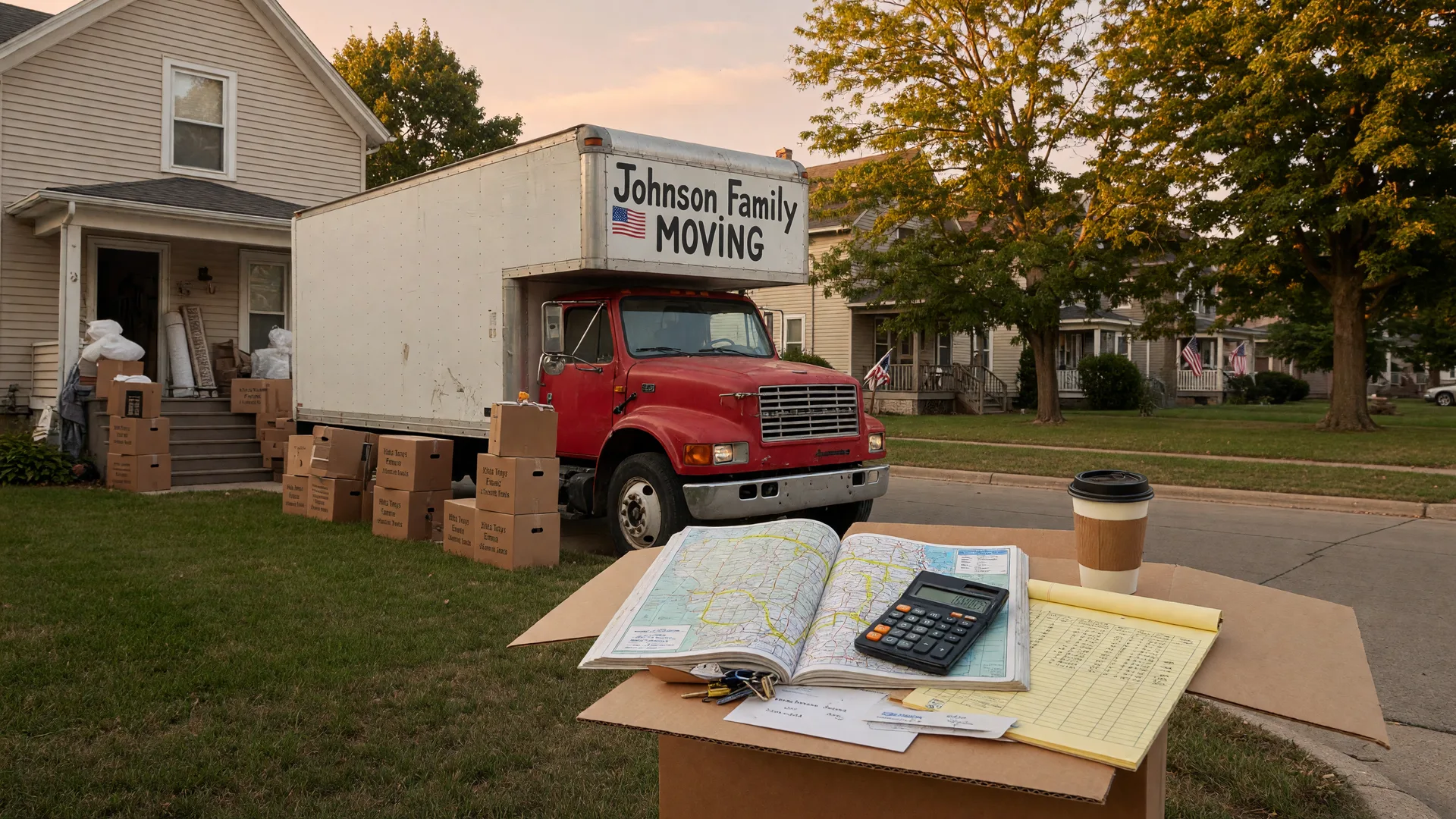
When Mid-Michigan sellers and relocation clients ask me about moving out of state, the first question is almost always about the truck: what will it cost to move my things? The honest answer is that the truck is only one line in the budget. A realistic out-of-state move budget runs from the day you start packing to the first weeks in your new home, and it includes interstate transport and packing, travel en route, temporary accommodation, deposits and connection fees, and first-week living expenses. This guide walks through each of those stages so you can plan the whole move with confidence, not just the part you can see from the driveway.
In this guide
Key Takeaways
- Plan the whole move, not just the truck. Transport is one stage among several, and the others are easy to overlook.
- Every stage has a cost: packing, travel en route, temporary housing, deposits, connection fees, and the first weeks in a new state.
- Get real quotes early. Movers, lodgings, and utility providers give you numbers you can build a budget around instead of guessing.
- Add a cushion. A whole-move budget includes room for surprises, because an out-of-state move always has a few.
Budget the Whole Move, Not Just the Truck
In my years working with homeowners, the most common budgeting mistake I see is treating the mover or the truck rental as the entire moving cost. It is an easy trap, because transport is the biggest, most visible line item and the one you get a quote for first. The reality is that an interstate move is a chain of costs that starts before your belongings leave the house and continues well after they arrive. If you only plan for the truck, you risk discovering the rest of the bill in the middle of the move, when you have the least flexibility to absorb it.
The purpose of this guide is to help you see the full picture. The framework below comes directly from a thoughtful guide created by Peyson Digital, Moving Out of State: The Complete Cost Guide, which lays out the cost categories of an interstate move and includes a free moving budget calculator. I am sharing its framework because it matches exactly what I have watched work for clients over the years: list every stage, put a realistic number beside each one, and then build in a cushion. Here is what a whole-move budget actually covers.
Interstate Transport and Packing
Transport is the stage everyone remembers, and it deserves careful attention because it is usually the largest single cost of the move. The key point is that there is more than one way to move your belongings across state lines, and the right choice depends on your timeline, your distance, and how much you are shipping. Professional movers handle loading, transport, and unloading for you. Portable containers are dropped at your door, packed by you or a service, and shipped to your new address. And a rental truck you drive yourself keeps the hands-on work and the cost in your control.
Whichever you choose, get several quotes and read them closely. Moving estimates differ in what they include: travel time, fuel, stairs, long carries, disassembly, and storage days are all items that can appear as extras. The same care applies to packing. Boxes, tape, wrap, and packing supplies add up quickly, and professional packing services are an added cost if you choose to use them. If your belongings hold real value, consider valuation coverage or insurance for the shipment. An accurate transport and packing number comes from quotes and a plan, not from a ballpark guess.
Travel En Route
Getting yourself, and anyone traveling with you, to the new state is its own budget line. For a drive, that means fuel, tolls, meals, and lodging for each night on the road. For a flight, it means tickets, baggage fees, and ground transportation at the other end. If you are moving pets or an extra vehicle, their transport is part of this stage too, and it is a cost people often do not see coming.
One detail I always mention: the travel budget should also include the trip you make before the move. Most out-of-state moves start with a scouting or home-buying visit, and those trips carry their own travel costs. If you buy your next home before you move, as many of my relocation clients do, the visits add up across the search. Build them into the same travel line so the whole cost of getting from state to state is in one place.
Temporary Accommodation
Many out-of-state moves include a gap between selling your current home and taking possession of your new one. That gap needs somewhere to stay, and the cost deserves its own budget line. Short-term rentals and extended-stay hotels are the most common options, and both are priced differently from a standard nightly rate, so it pays to research what is actually available in your destination area.
While you plan the gap, remember that your belongings need a place to be during it too. If your household goods arrive before your new home is ready, or if you are storing some items while you decide what comes with you, storage is part of the temporary housing stage as well. The goal is simply to answer the question up front: where will you and your things be between the old address and the new one, and what does that time cost?
Deposits and Connection Fees
The word that catches most people by surprise in a move budget is deposits. If your temporary accommodation is a rental, it almost always requires a security deposit and possibly the first month's rent in advance. But deposits are not limited to renters. Setting up utilities in a new state often means deposits or connection fees for electricity, natural gas, water, internet, and cable, and these apply to homeowners as well as renters. The amounts vary by provider and by state, which is exactly why they belong in the budget rather than in the gray area of "we will figure it out when we get there."
Connection fees are the related cost people forget. There is often a fee to turn a service on, and there can be a fee to transfer or disconnect service at your old address. When you list every provider you currently use and every provider you will need at the new home, you can call ahead and get real numbers. A whole-move budget turns these small, numerous costs into one planned line instead of a string of surprises.
First-Week Living Expenses in Your New State
The final stage of the budget is the one most likely to be missed entirely: your first week in the new home. After the boxes are unloaded, everyday expenses continue, and some of them run higher than usual during a transition. You are eating out while the kitchen is unpacked, buying groceries for a pantry that starts empty, picking up household basics, cleaning supplies, and small tools, and replacing the items that did not survive the trip or did not make the move at all. These costs feel small one at a time and add up quickly all together.
There is also a set of new-state costs that arrive with your new address, separate from the move itself. Vehicle registration, a new driver's license, and insurance adjustments often have fees or updated premiums attached. Property taxes, utility rates, and homeowner costs vary by state, and so can school-related fees if you have children enrolling. None of these are moving costs in the strict sense, but they land in your first weeks in the new state, which is why an honest first-week line makes the whole budget work.
Build a Whole-Move Budget With Room for Surprises
Once every stage has a line, the move becomes something you can plan instead of react to. The order matters: list the stages, gather real quotes for the big ones, estimate the smaller ones, and then add a contingency cushion on top. An out-of-state move will have unexpected costs, and a budget with room for them is a budget that keeps you calm when they appear.
This is exactly the framework Peyson Digital lays out in their complete guide to moving out of state, which covers interstate transport and packing, travel, temporary accommodation, deposits, and the first week in a new home. It is a genuinely useful resource, and its free moving budget calculator makes the planning concrete. I would encourage anyone considering an out-of-state move to read the full guide and run their numbers through the calculator while you work through the real-estate side of the plan with your agent. Credit for the framework belongs to Peyson Digital, and I am glad to point you to their work.
Next Steps for Your Mid-Michigan Move
Budgeting the move is one side of the planning; the real estate side is the other. If you are selling in Mid-Michigan before you head out of state, the timing and value of your sale shape everything that follows, including how much of your move you can fund from your home equity. I have put together a full walkthrough of the region in Moving to Mid-Michigan: The Complete Relocation Guide, and it is a helpful companion to this post whether you are arriving or leaving, because it shows the depth of planning a well-run move really takes.
If you are leaving, the practical first step is knowing what your current home is worth and what the sale will net you. That starts with a no-obligation look at your home's current market position on my home valuation page. And if you are relocating to Mid-Michigan and need help on this end, my relocation services page explains exactly how I support out-of-state buyers, from area orientation and remote tours to temporary housing coordination and vendor referrals.
Planning an Out-of-State Move?
Let's Plan the Real Estate Side Together
Whether you are selling before you go or buying after you arrive, I am happy to help you understand your home's value, your timeline, and what a well-planned move looks like in Mid-Michigan. Call me at 810-513-3335 or email me at joyce@midmichiganliving.com. There is no pressure and no obligation, just a real conversation with a local expert.

Keller Williams First · Licensed since 2014 · Over 20 years of real estate industry experience · 810-513-3335