Energy Efficiency in Your Mid-Michigan Home
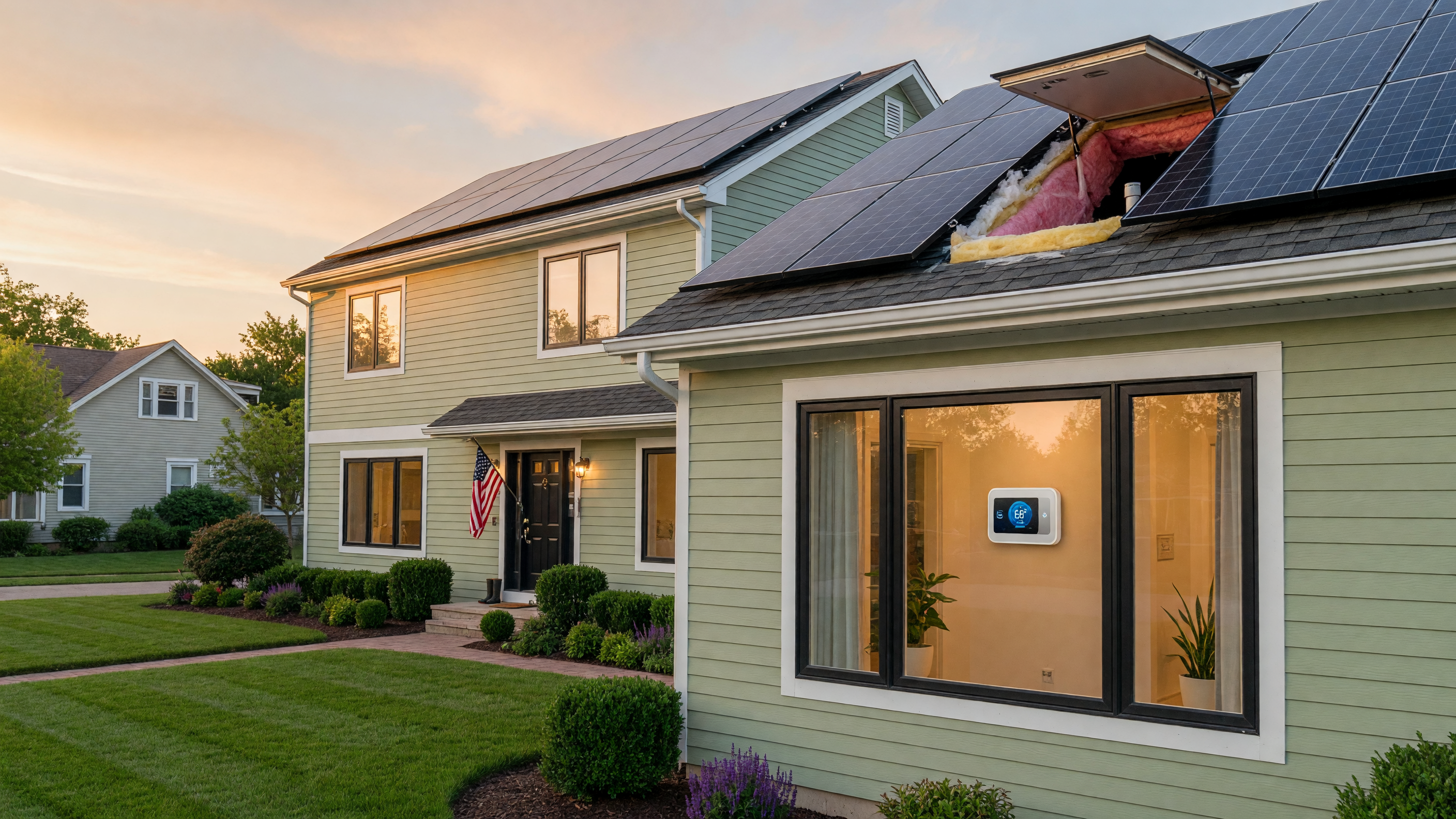
Michigan winters are no joke. Between November and March, Mid-Michigan homeowners face heating bills that can stretch into the hundreds of dollars each month — especially in older homes with outdated insulation, single-pane windows, or aging HVAC systems. The good news? Most of the energy loss in a typical Mid-Michigan home is fixable, and the improvements pay for themselves through lower utility bills, increased comfort, and higher resale value. Whether you're planning to stay in your home for decades or getting it ready to sell, these practical steps will help you reduce energy waste and save money.
Start with Insulation: Your Home's Biggest Energy Saver
If you could do only one thing to improve your home's energy efficiency, insulation should be it. Heat rises — and in Michigan's climate, an under-insulated attic or poorly insulated walls can waste a staggering amount of energy. According to the U.S. Department of Energy, proper insulation can reduce heating and cooling costs by up to 20%.
Here's what to focus on:
- Attic insulation. This is the single most impactful improvement for most Mid-Michigan homes. If your attic insulation is less than R-49 (the current recommendation for Michigan's climate zone), adding blown-in cellulose or fiberglass batts can make a dramatic difference. Many older homes in Genesee, Oakland, and Livingston Counties were built with insulation levels that are far below current standards.
- Wall insulation. Homes built before 1970 often have little or no wall insulation. Blown-in wall insulation can be added through small holes drilled from the exterior, minimizing disruption to your home's interior.
- Basement and crawl space insulation. Insulating rim joists (the perimeter of your basement ceiling) and crawl space walls helps prevent cold floors and reduces heat loss through the foundation — a common problem in Michigan basements.
Window Upgrades: Reduce Drafts and Increase Comfort
Drafty windows are one of the most common complaints I hear from Mid-Michigan homeowners, especially during winter. If your home still has single-pane or original double-pane windows, upgrading to modern energy-efficient windows can significantly reduce heat loss, eliminate drafts, and lower your heating and cooling bills.
What to look for:
- Double or triple-pane glass with Low-E coatings. Low-emissivity (Low-E) coatings reflect heat back into your home during winter and block solar heat gain during summer. In Michigan's climate, Low-E glass is a smart investment.
- Energy Star certification. Energy Star–rated windows meet specific performance thresholds for the northern climate zone. They're independently tested and verified.
- Argon or krypton gas fill. The space between window panes is filled with an inert gas that provides better insulation than regular air. It's invisible, odorless, and makes a measurable difference in performance.
- Proper installation. Even the best window won't perform well if it's installed incorrectly. Ensure your contractor uses proper flashing, insulation, and sealing techniques. A window is only as good as its installation.
Window replacement is a significant investment — typically $400–$800 per window installed in Michigan — but the energy savings, comfort improvements, and increased home value make it worthwhile, especially for older homes. Many Michigan utility companies also offer rebates for qualifying window upgrades.
Smart Thermostats: Efficiency Made Easy
One of the simplest and most affordable energy upgrades is also one of the most effective: installing a smart thermostat. Devices like the Google Nest, Ecobee, and Honeywell Home thermostats learn your schedule, adjust temperatures automatically, and give you remote control from your phone. The U.S. Department of Energy estimates that a programmable or smart thermostat can save homeowners 10–15% on heating and cooling costs annually.
For Mid-Michigan homeowners, the savings are especially meaningful because of the long heating season. A smart thermostat can:
- Lower the temperature automatically when you leave for work or go to bed
- Pre-heat your home before you arrive, so you're not heating an empty house all day
- Track your energy usage patterns and suggest optimizations
- Alert you to HVAC issues, like unusual runtime patterns that might indicate a failing system
- Integrate with other smart home devices for whole-home energy management
Most smart thermostats cost between $150 and $250, and many can be installed in under 30 minutes with basic tools. Given the potential annual savings of $100–$200, the payback period is typically well under two years.
Michigan Energy Programs and Rebates
Michigan homeowners have access to a growing number of energy efficiency programs and financial incentives. Here are the most significant options available:
- Michigan Home Energy Rebates (MiHER). Funded by the Inflation Reduction Act, the MiHER program offers two components: the Home Efficiency Rebates (HER) program, which provides up to $20,000 for whole-home efficiency upgrades like insulation, air sealing, and HVAC improvements; and the Home Electrification and Appliance Rebates (HEAR) program, which provides up to $14,000 for high-efficiency electric appliances including heat pumps, heat pump water heaters, and electric stoves. Households with incomes at or below 80% of their county's Area Median Income may qualify for up to 100% of project costs.
- Utility-specific programs. Both DTE Energy and Consumers Energy offer rebates for insulation, windows, HVAC equipment, and energy audits. These programs are regularly updated, so check with your utility provider for current offerings.
- Federal tax credits. Under Section 25C of the IRS code, homeowners can claim tax credits for qualifying energy-efficient improvements, including insulation, windows, doors, and high-efficiency heating and cooling equipment. These credits can be combined with state and utility rebates for maximum savings.
- Home energy audits. Many utilities and the Michigan Energy Office offer subsidized or free home energy audits that identify where your home is losing energy and prioritize the most cost-effective improvements. This is an excellent starting point if you're not sure where to begin.
How Efficiency Improvements Affect Home Value
Energy efficiency isn't just about saving on utility bills — it directly impacts your home's market value. Here's what I see in the Mid-Michigan market:
- Buyers notice utility costs. In today's market, buyers are more energy-conscious than ever. A home with documented energy improvements — new windows, updated insulation, a high-efficiency furnace, or smart home technology — stands out in listing comparisons and can justify a higher asking price.
- Home energy ratings are becoming a factor. While Michigan doesn't yet require energy ratings at the point of sale, the trend nationally is toward more disclosure of energy performance. Homes that already have documented efficiency improvements will be better positioned as these requirements evolve.
- Lower operating costs make your home more attractive. When a buyer is comparing two homes at similar prices, the one with lower monthly utility costs has a clear advantage. Providing utility bills and documentation of energy improvements during the listing process can be a powerful selling tool.
- ROI varies by improvement. Attic insulation typically offers the highest return on investment — often exceeding 100% — because the cost is relatively low and the energy savings are significant. Window replacements offer moderate ROI but provide substantial comfort and aesthetic benefits. Smart thermostats offer excellent ROI given their low cost.
A Quick-Start Checklist for Mid-Michigan Homeowners
If you're ready to start improving your home's energy efficiency, here's a practical priority list:
- Get a home energy audit. This tells you exactly where you're losing energy and which improvements will have the biggest impact for your specific home.
- Add or upgrade attic insulation. This is usually the highest-ROI improvement you can make.
- Install a smart thermostat. Quick, affordable, and immediately effective.
- Seal air leaks. Caulk around windows, weatherstrip doors, and seal gaps around plumbing and electrical penetrations. These are low-cost fixes with meaningful results.
- Upgrade to energy-efficient lighting. LED bulbs use 75% less energy than incandescent bulbs and last 25 times longer. The cost difference has dropped to the point where there's no reason not to switch.
- Evaluate your windows and HVAC system. These are bigger investments, but they deliver long-term value in comfort, efficiency, and home resale price.
Related Reading
- The Hidden Costs of Homeownership — understanding the full picture of homeownership expenses
- Selling Your Home — how to prepare your home for market, including energy upgrades that add value
- Summer Home Maintenance in Mid-Michigan — seasonal maintenance tips to keep your home in top condition
Ready to Make Your Home More Efficient?
Energy efficiency improvements are one of the smartest investments you can make in your home — whether you're staying for years or preparing to sell. If you'd like to discuss which improvements make the most sense for your home and your goals, I'm happy to share what I'm seeing in the Mid-Michigan market. I can also connect you with trusted local contractors who specialize in energy-efficient upgrades.
Schedule a consultation, call me at 810-513-3335, or email joyce@midmichiganliving.com.

Keller Williams First · 810-513-3335 · Schedule a consultation