What Every Home Seller Should Disclose in Michigan
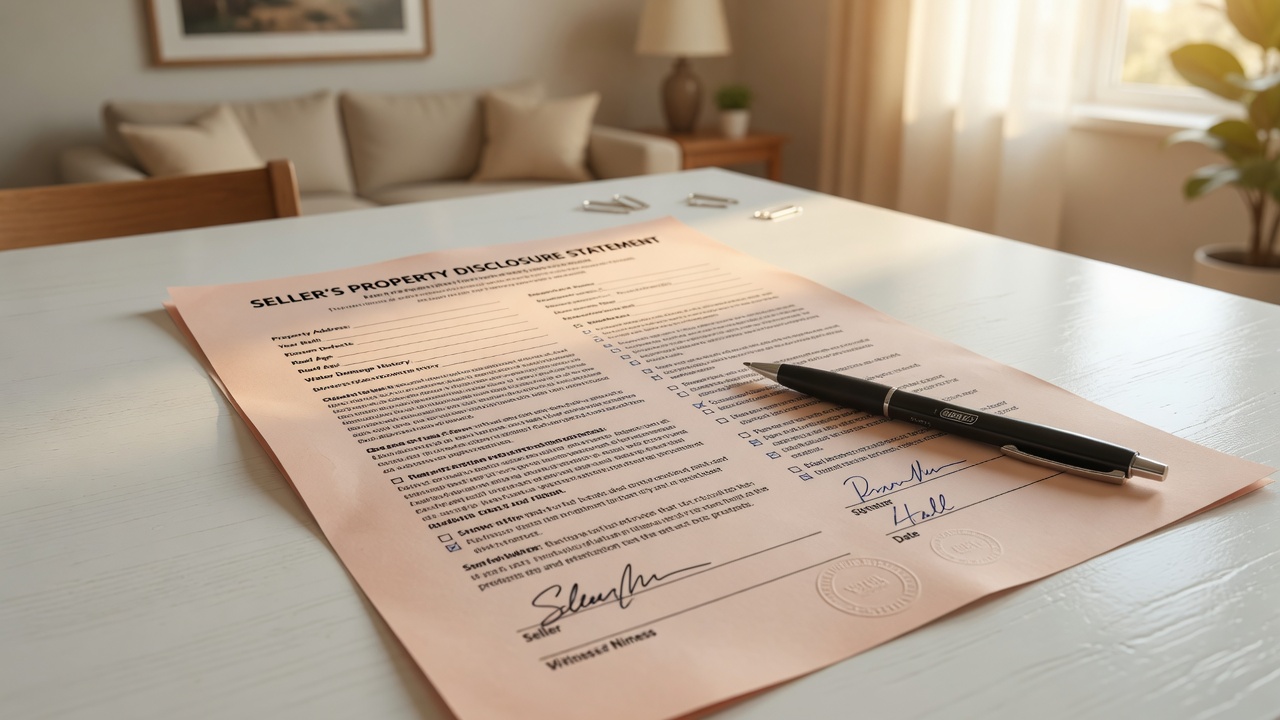
Selling a home in Michigan involves more than listing it on the MLS and waiting for offers. One of the most important — and most commonly underestimated — steps in the selling process is completing the Seller's Disclosure Statement. This document isn't just a formality; it's a legal requirement under Michigan law and one of the strongest trust-building tools you have as a seller. After more than 20 years in the real estate industry, I've seen how thorough, transparent disclosures lead to smoother transactions and fewer post-closing disputes. Here's what every Michigan seller needs to know.
The Michigan Seller's Disclosure Statement: Your Legal Obligation
Michigan's Seller Disclosure Act (MCL 565.951 et seq.) requires sellers of residential real property — one to four units — to provide buyers with a written disclosure statement before the purchase agreement is signed. The statute specifically requires the disclosure to detail the known physical condition of the property.
The standard form covers a wide range of categories, including:
- Structural components — foundation, walls, roof structure, and flooring conditions
- Mechanical systems — plumbing, electrical, heating, and cooling systems, including age and known issues
- Water and waste — municipal or private water, sewer or septic, history of flooding or water intrusion
- Environmental hazards — asbestos, radon, lead-based paint, formaldehyde, and mold
- Property history — past fires, insurance claims, renovations, additions, and disputes
- Land and lot conditions — easements, encroachments, flood zone designation, and soil issues
- Appliances and systems — included appliances, security systems, and smart home technology
Sellers are required to answer honestly to the best of their knowledge. Importantly, Michigan law allows sellers to mark items as "unknown" when they genuinely lack information — but deliberately concealing a known defect can expose you to legal liability after closing. The legal standard is knowledge, not perfection. You don't need to hire an inspector before filling out the form, but you do need to disclose what you actually know.
My approach with every seller is simple: when in doubt, disclose. A thorough and honest disclosure doesn't scare away qualified buyers — it builds confidence. Buyers who feel informed are far more likely to move forward through inspection and closing rather than backing out when something surfaces unexpectedly.
Known Defects: What Counts and What Doesn't
One of the most common questions I hear from sellers is: "Do I really have to disclose that?" The answer depends on whether the issue constitutes a material defect — a condition that could significantly affect the property's value, safety, or desirability.
Here are examples of material defects that Michigan sellers should disclose:
- Roof leaks or repairs — Even if you had the roof replaced, disclose the work. If you know it still leaks in certain conditions, that's absolutely a disclosure item.
- Foundation issues — cracks, bowing walls, previous waterproofing, or water in the basement. These are among the first things buyers and inspectors investigate.
- Plumbing problems — recurring clogs, old galvanized or polybutylene pipes, sewer line backups, or a history of slab leaks.
- Electrical issues — outdated wiring (knob-and-tube or aluminum), frequent breaker trips, or unpermitted electrical work.
- HVAC failures — a furnace that's been unreliable, an air conditioner that struggles, or systems past their expected lifespan.
- Water intrusion or mold — any history of water in the basement, condensation issues, or visible mold growth. Even if you cleaned it up, the history matters.
- Pest damage — previous termite damage, carpenter ant infestations, or rodent issues that required professional treatment.
- Neighbor disputes — ongoing boundary disagreements, noise complaints, or unresolved encroachment issues.
What you don't need to disclose are conditions you've never been aware of. If a buyer's inspection uncovers something you genuinely didn't know about, that's the purpose of the inspection contingency — not a basis for a disclosure claim against you. The key distinction is between what you know and what you don't. That's why I always advise sellers to think carefully and completely before marking "no" on any item.
Lead-Based Paint: The Federal Requirement
If your home was built before 1978 — and many homes across Mid-Michigan were — federal law adds an additional layer of disclosure obligations on top of Michigan's state requirements. The Residential Lead-Based Paint Hazard Reduction Act requires sellers to disclose what they know about lead-based paint and lead-based paint hazards.
Here's what sellers of pre-1978 homes must provide:
- An EPA-approved informational pamphlet about the hazards of lead-based paint
- A federal lead disclosure form detailing the seller's knowledge of lead paint in the home
- A lead disclosure addendum attached to the purchase agreement
- A 10-day inspection period during which the buyer can conduct a lead-based paint inspection at their own expense
Lead paint in good condition is generally not an immediate hazard — but chipping, peeling, or deteriorating paint in pre-1978 homes can create a serious health risk, particularly for young children and pregnant women. If lead paint is identified during the buyer's inspection, the cost of encapsulation, repair, or professional abatement can be negotiated as part of the transaction. The important thing is that you disclose what you know and provide the required materials. Failure to do so can result in federal penalties.
Many sellers ask me whether they need to test for lead paint before listing. Michigan law does not require pre-listing lead testing — only disclosure of known conditions. However, if you've had lead testing done in the past, or if you're aware that lead paint was present (even if it was remediated), that information must be disclosed.
Well and Septic Systems: Rural Property Disclosure Essentials
Many properties in the more rural and semi-rural areas of Mid-Michigan — particularly across Lapeer, Tuscola, Shiawassee, and parts of Genesee and Livingston Counties — rely on private wells and septic systems rather than municipal water and sewer. These systems carry their own specific disclosure requirements and due-diligence considerations.
Well water: Michigan law requires that well water be tested for certain contaminants before a property with a private well is sold. Sellers must provide buyers with the results of a bacteriological test (coliform bacteria) and, in some cases, chemical testing. This protects buyers from unknowingly purchasing a home with unsafe drinking water. I always recommend that my seller clients have testing done early in the listing process so results are available when buyers request them. Buyers, in turn, should consider additional testing for minerals, hardness, and area-specific contaminants.
Septic systems: While Michigan does not universally mandate a pre-sale septic inspection, your buyer's lender or homeowner's insurer may require one — and more importantly, a failing septic system can cost $15,000 to $30,000 or more to replace. I strongly recommend that sellers of properties with septic systems have an inspection completed before listing. If the system is functioning well, having documentation — pumping records, maintenance history, last inspection date — builds buyer confidence and protects you from post-sale disputes. If the inspection reveals issues, it's better to know before a buyer discovers them during their due diligence.
For a deeper look at the overall disclosure landscape, check out my comprehensive Michigan real estate disclosures guide.
Environmental Hazards: Asbestos, Radon, and More
Michigan's standard Seller Disclosure form (MCL 565.957) requires sellers to disclose known substances or materials that could pose environmental or health risks. These include:
- Asbestos — common in homes built before 1980, found in insulation, floor tiles, siding, and pipe wrapping. If you know asbestos is present, disclose it. If it's been professionally abated, provide documentation.
- Radon gas — a naturally occurring radioactive gas that can accumulate in basements. Michigan has moderate to high radon potential in many areas. If you've had a radon test, disclose the results. If you installed a mitigation system, disclose that as well.
- Underground storage tanks — old fuel oil or chemical storage tanks on the property must be disclosed. These can be environmental liabilities if they've leaked.
- Contaminated soil — if you're aware of any soil contamination from previous use, underground tanks, or nearby industrial activity, that must be disclosed.
- Formaldehyde — in some older building materials, particularly certain types of insulation.
- Mold — visible mold growth or a history of conditions that promoted mold growth should be disclosed.
The general principle is straightforward: if you know about a potential hazard, say so. Environmental disclosures protect buyers from health risks and protect sellers from future liability. Michigan courts have held sellers accountable for failing to disclose known environmental conditions, and the consequences can be severe.
How Complete Disclosures Protect You as a Seller
Some sellers worry that honest disclosures will scare buyers away or reduce their home's perceived value. In my experience, the opposite is true. Here's why thorough disclosures work in your favor:
- They build trust. Buyers who receive a complete, transparent disclosure are more confident in the transaction and less likely to back out during inspection.
- They reduce surprises. When a buyer's inspector confirms what the disclosure already revealed, there's no drama — just verification.
- They limit legal exposure. Michigan's disclosure statute protects sellers who act in good faith. Deliberate concealment does not.
- They speed up closing. Fewer disputes over discovered conditions means a smoother path to the closing table.
As someone whose career began in transaction processing and behind-the-scenes real estate work, I have a particularly detailed eye for disclosure documents. I help my seller clients complete their statements accurately and thoroughly, ensuring nothing is overlooked and every question is answered with care.
Practical Steps Before You List
If you're preparing to sell your Michigan home, here's my recommended approach to disclosures:
- Walk through your home with fresh eyes. Think about every issue you've ever repaired, every contractor who's done work, and every problem you've encountered. Write it all down before you start the form.
- Gather documentation. Collect permits, inspection reports, repair invoices, warranty information, and maintenance records. These support your disclosures and give buyers confidence.
- Test if you haven't. Consider a pre-listing inspection. It's not required, but it gives you a clear picture of your home's condition before buyers discover issues on their own.
- Be honest about "unknown" items. If you genuinely don't know the answer, mark "unknown." But don't mark "unknown" for things you actually know — that's where sellers get into trouble.
- Work with your agent. Your REALTOR® should review every section of the disclosure with you, flag areas that need attention, and make sure the document is complete before it goes to buyers.
Disclosures are part of doing business the right way. They protect you, they protect your buyer, and they contribute to a transaction that everyone can feel good about long after closing day.
If you're getting ready to sell and want help with your disclosure statement or your overall seller strategy, I'd love to walk through it with you. Schedule a consultation or call me at 810-513-3335. You can also read my guide to why now is the time to list your Mid-Michigan home for more selling insights.

Keller Williams First · 810-513-3335 · Schedule a consultation