How to Prep Your Michigan Home for Winter Sale
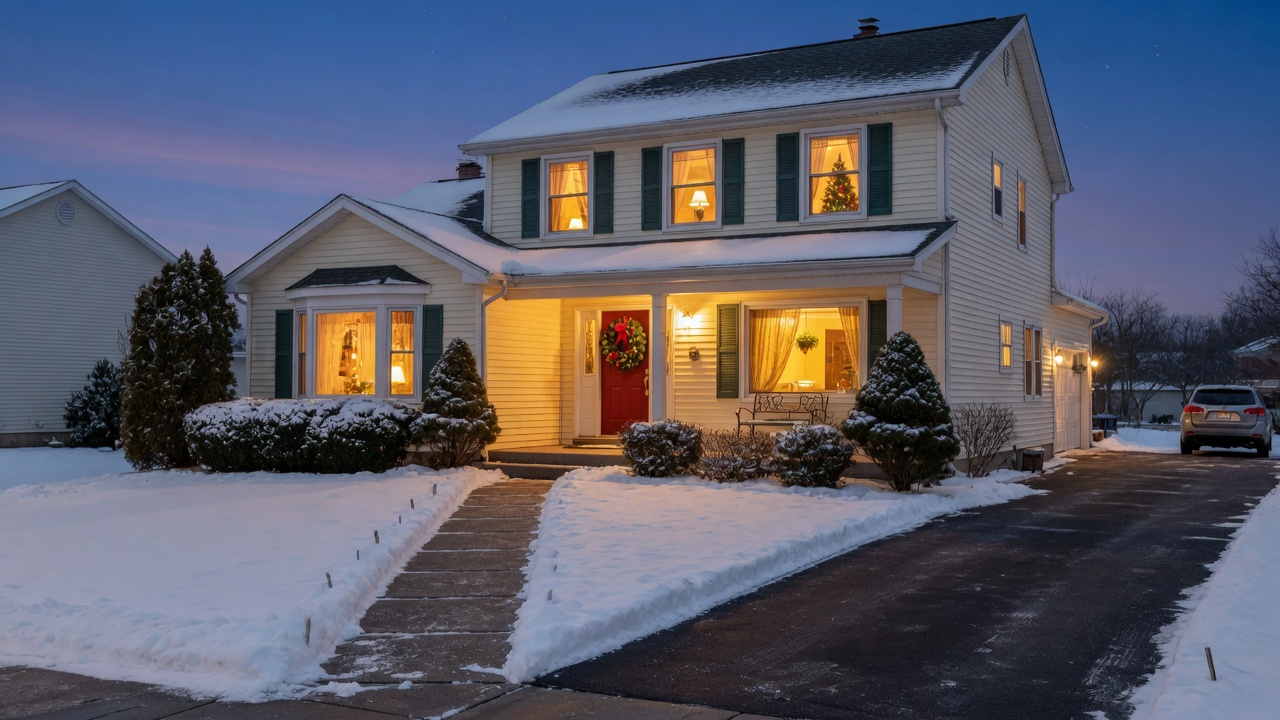
When sellers hear "winter listing," the first question is usually why anyone would sell during the coldest months in Michigan. But the second question — and the one that matters more — is how to prepare. Because here's the truth: winter sellers who prepare properly have a real advantage. With fewer listings competing for attention and highly motivated buyers actively searching, a well-prepared winter listing can outperform a spring one. For a broader seasonal comparison, see our guide to selling your home in winter in Michigan and our spring market sellers guide. The key is knowing exactly what to do before your home hits the market.
Curb Appeal When There's Snow on the Ground
Curb appeal in Michigan winter isn't about flower beds and green lawns — it's about showing that the home is well-maintained and welcoming despite the weather. Here's what actually matters:
- Clear, safe walkways. This is the single most important curb appeal task in winter. Buyers and their agents need safe access to your front door. Shovel the driveway, sidewalks, and any steps before every showing. If you can't be home to do it yourself, hire a snow removal service. A shoveled path signals pride of ownership; an icy, snow-covered walkway signals neglect.
- Exterior lighting. Michigan winter days are short. Install or clean your exterior lights, and make sure they're on before any showing — even afternoon ones. A well-lit walkway and entryway create a welcoming first impression and improve safety.
- Evergreen landscaping. If your property has evergreen trees, shrubs, or decorative grasses, make sure they're visible and tidy. Winter is when these plantings earn their keep. A few well-placed spotlights on evergreens can make a snowy yard look elegant rather than barren.
- Roof and gutter condition. Buyers look at the roof more carefully in winter because ice dams, sagging gutters, and missing shingles are easier to spot against snow. Before listing, have your roof inspected and gutters cleared. If you've had ice dam issues in the past, address them now — visible water stains on ceilings are an instant red flag.
- Entry area. Clean off the front porch, add a seasonal wreath, and make sure the door hardware is in good condition. A fresh coat of paint on the front door — even in a neutral color — can make a striking impression against a snowy backdrop.
Interior Warmth Staging: Making Buyers Feel at Home
The psychology of winter showings is one of the most powerful tools a seller has. A buyer who steps in from a freezing Michigan afternoon into a warm, inviting home doesn't just see the space — they feel it. Here's how to create that effect:
- Temperature consistency. Keep your thermostat set to a comfortable, consistent temperature — typically 68 to 70 degrees. Don't crank it up for showings and lower it afterward; buyers notice when a home takes too long to warm up, and temperature inconsistency signals HVAC problems.
- Layered lighting. Open every blind and curtain to maximize whatever natural light is available. Turn on every light in the house — including closets, hallways, and bathrooms. Add table lamps or floor lamps in dark corners. The goal is a home that feels bright and warm, even on a gray December day.
- Textural warmth. Swap lightweight summer throw pillows for heavier fabrics — think cable-knit, wool, or velvet. Add a plush throw blanket to the couch. Place a woven basket with blankets near the fireplace or reading nook. These tactile elements create a feeling of warmth that photos and descriptions can't replicate.
- Fireplace presentation. If your home has a fireplace, make it the focal point. Clean the firebox, have the chimney swept, and keep a small stack of seasoned firewood nearby. If you have a gas fireplace, make sure it's working perfectly. A crackling fire during a winter showing is worth more than any staging investment.
- Scent staging. Subtle seasonal scents — cinnamon, vanilla, cedar — create an emotional response that reinforces the cozy atmosphere. Bake cookies before a showing, or simmer cinnamon sticks on the stove. Avoid heavy plug-in fragrances, which can trigger allergies or seem like you're masking something.
Holiday Decorations: The Dos and Don'ts
Listing during the holidays adds a layer of complexity, but handled correctly, it can actually enhance your home's appeal. The key is restraint:
- Do: Add a simple wreath to the front door, place a tasteful garland along the banister, or use a few white string lights on the exterior. These touches add warmth without overwhelming the space.
- Do: Keep the dining table set with neutral, seasonal place settings. A simple centerpiece of pine branches and candles works beautifully.
- Don't: Cover every surface with holiday decorations. Buyers need to see the home, not your holiday collection. Heavy decorations make rooms feel smaller and distract from the features you want to highlight.
- Don't: Install a full-size Christmas tree in the main living area. As beautiful as they are, they dominate the room and make it difficult for buyers to assess the space. If you must have one, keep it in a secondary room.
- Don't: Leave holiday cards, wrapping supplies, or gift inventory visible. These personal items make it harder for buyers to envision their own life in the home.
The rule of thumb: if a decoration helps the buyer feel the warmth of the season, keep it. If it draws attention to itself instead of the home, remove it.
Pricing Strategy for the Winter Market
Pricing in winter requires a different mindset than pricing in spring. With fewer comparable sales in the immediate months prior (because most sellers wait), you have more flexibility — but also less data. Here's how to approach it:
- Price for the current market, not the spring market. Don't assume buyers will pay more because inventory is low. Price competitively to generate immediate interest, and let the scarcity work in your favor.
- Leverage low inventory. In many Mid-Michigan neighborhoods, winter inventory drops to a fraction of its spring peak. A well-priced home in January can generate the same level of interest as a well-priced home in May — sometimes more.
- Consider a slight strategic discount. A home priced just below a round number — say $249,900 instead of $255,000 — can generate significantly more traffic in a low-inventory market. Buyers searching in the $200K to $250K range will see it; at $255K, they won't.
- Monitor absorption rates. Ask your agent about the absorption rate — how quickly homes are selling at each price point in your specific neighborhood during winter months. This data, more than any rule of thumb, should guide your pricing strategy.
Why Serious Buyers Shop in Winter
This is the advantage most sellers overlook. People searching for homes in a Michigan winter are not casual browsers. They have a reason — and it's usually urgent. Common winter buyer profiles include:
- Relocation buyers who've accepted a new job and need to move before a start date
- Lease expirations — renters whose leases end in January or February and don't want to renew
- Outbid buyers who lost in spring and summer bidding wars and are determined to close before the next cycle
- Life-change buyers — divorce, marriage, new baby, or downsizing — situations that don't wait for warm weather
These buyers are pre-approved, decisive, and motivated. The result is fewer wasted showings, less disruption to your schedule, and a higher likelihood that every offer you receive is from a qualified, committed buyer. In my experience, winter transactions often close faster because lenders and title companies have lighter workloads compared to the spring rush.
The Bottom Line
Preparing your Michigan home for a winter sale isn't about fighting the season — it's about working with it. Clear the snow, create warmth inside, keep decorations tasteful, price strategically, and trust that the buyers who show up in winter are ready to act. Done right, a winter listing can be one of the smartest moves you make.
I'd love to walk through your options and help you decide whether a winter listing makes sense for your situation. Schedule a consultation or call me at 810-513-3335.

Keller Williams First · 810-513-3335 · Schedule a consultation