The Power of Professional Real Estate Photography
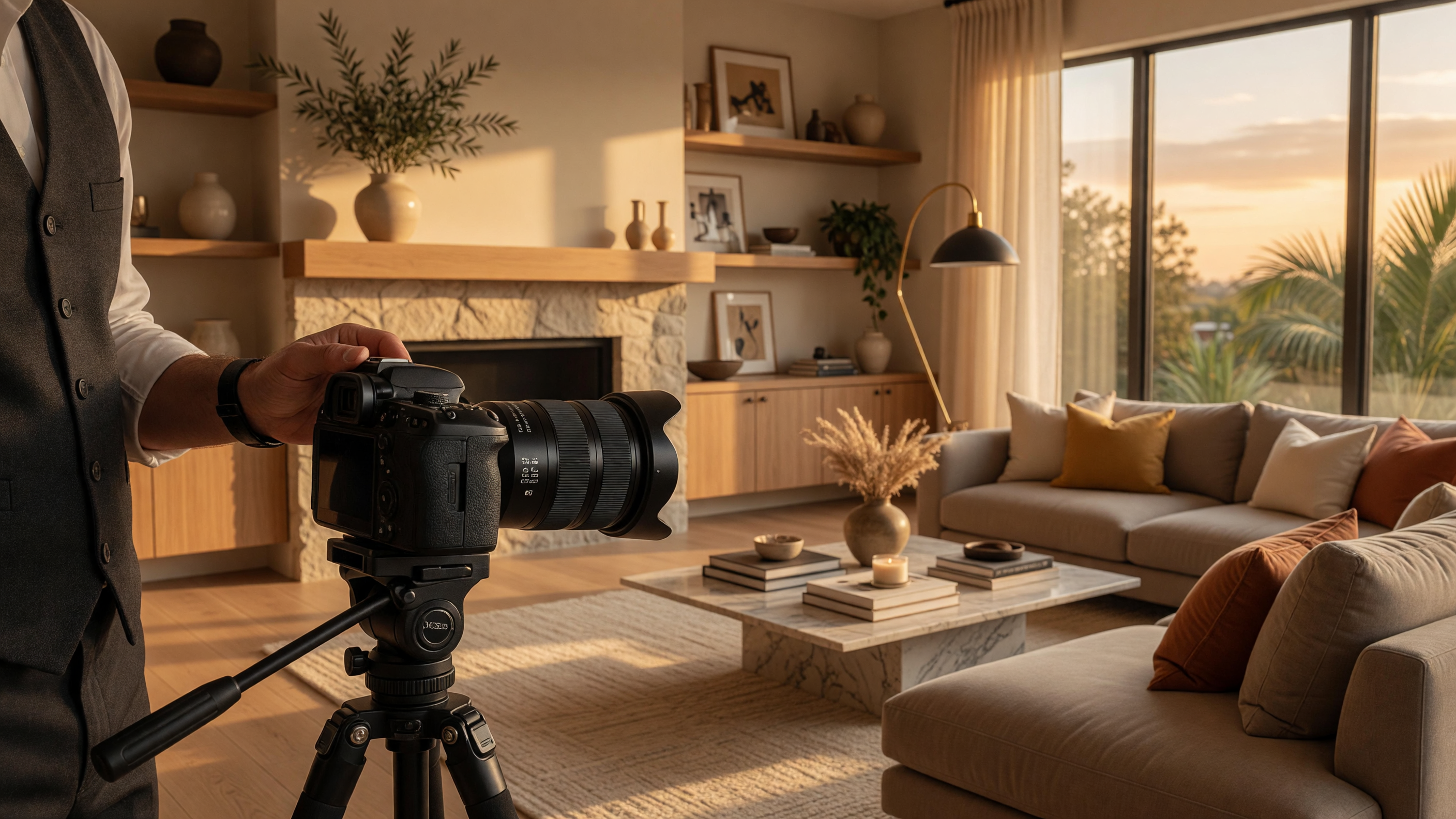
Here's a number that should change the way you think about listing photos: homes with professional photography receive 118% more online views than those with amateur images, according to research from the Real Estate Photography Association. In a market where over 95% of buyers begin their search online, that difference in first impressions translates directly into showing requests, offers, and ultimately, sale price. Professional photography isn't a luxury add-on — it's the single most impactful marketing investment you can make when selling your home.
What the Data Says About Buyer Behavior
Understanding how buyers interact with listings online reveals why photography matters so much. Consider these findings from the National Association of REALTORS® and multiple real estate marketing studies:
- 95% of buyers search online during their home-buying process. Your listing photos are the first — and often only — impression most buyers will have of your home.
- Buyers spend an average of 1.5 seconds looking at each listing photo before deciding whether to keep scrolling or click for more details. You have less than two seconds to capture their attention.
- Listings with professional photos sell 32% faster than comparable listings with amateur photography. Speed-to-sale matters because every day on the market costs you — both financially and emotionally.
- Homes with professional photography sell for higher prices. Multiple studies have found that well-photographed homes receive offers that are, on average, $5,000–$10,000 higher than comparable listings with poor photos.
- 72% of buyers' agents say that staging and professional photography make it easier for buyers to visualize a property as their future home.
These aren't abstract statistics — they represent real outcomes for real sellers. In Mid-Michigan's market, where buyers have options and competition is real, the listing that looks the best online gets the most attention first. And first-mover attention matters more than most sellers realize.
The Before-and-After Difference
The difference between amateur and professional photography isn't subtle — it's dramatic. Here's what typically changes:
Before (amateur phone photos): Dark, grainy images with poor lighting. Cluttered rooms that make spaces look smaller. Angles that distort proportions. Yellow or blue color casts from mismatched lighting. Exterior shots taken at bad times of day with overgrown landscaping.
After (professional photography): Bright, evenly lit rooms that feel spacious and inviting. Clean compositions that highlight architectural features. True-to-life colors that represent the home accurately. Exterior shots at golden hour that make the property look its absolute best. Consistent editing that creates a cohesive visual story across every photo.
The transformation isn't just aesthetic — it's psychological. When buyers see professional photos, they subconsciously associate the quality of the images with the quality of the home. A well-photographed listing signals that the seller is serious, the home has been well-maintained, and the listing agent provides premium service. That perception influences everything from the first click to the final offer.
What Professional Photographers Actually Do
Professional real estate photography involves far more than pointing a good camera at a room. Here's what goes into a professional listing shoot:
- Lighting management. Professional photographers arrive at optimal times for natural light and bring supplemental lighting to balance interior and exterior exposures. The goal is rooms that look bright and natural — not artificially overexposed or dark and moody.
- Wide-angle composition. Using wide-angle lenses (typically 16–24mm), photographers capture the full scope of each room without the distortion that cheap wide-angle lenses create. This helps buyers understand the layout and proportions of the space — critical information that phone photos can't convey.
- Angle selection. Every shot is composed with purpose. The photographer chooses angles that maximize the perceived size of the room, highlight key features, and guide the viewer's eye through the space naturally.
- Post-processing. Professional editing includes color correction, exposure balancing, lens distortion correction, sky replacement for exterior shots, and consistent styling across all images. The result is a polished, cohesive set of photos that look professional but natural.
- Turnaround and delivery. Professional photographers typically deliver high-resolution images within 24–48 hours, optimized for the MLS, social media, print materials, and single-property websites.
Drone Photography: Showing the Full Picture
For many Mid-Michigan properties — particularly homes on larger lots, waterfront properties, or homes in subdivisions with community amenities — drone photography and aerial video add a dimension that ground-level photos simply can't capture.
Aerial photography is especially valuable for:
- Properties with acreage — showing the full extent of the land, wooded areas, and outbuildings
- Waterfront homes — capturing the relationship between the home and the water
- Lots with unique features — pond, orchard, long driveway, or proximity to parks and trails
- Subdivision context — showing the home's position within the neighborhood, nearby amenities, and the overall setting
In communities like Davison, Swartz Creek, and Lapeer, where many homes sit on generous lots with mature trees and semi-rural surroundings, drone photography can be the difference between a listing that gets saved and one that gets scrolled past.
How Professional Photography Fits Into My Marketing Strategy
When you work with me, professional-quality photography is not an upgrade or an add-on — it's the foundation of how I market your home. Here's how it fits into the broader strategy:
- Professional listing photography is included in every listing I take. This isn't optional because your home deserves the best possible first impression, every time.
- Strategic image selection means we choose the right number and sequence of photos to tell your home's story effectively — from the exterior hero shot through every room to the detail shots that highlight what makes your property unique.
- Single-property websites use professional photography as the centerpiece, creating a dedicated online experience that buyers can explore and share.
- Social media marketing leverages the best photos across Instagram, Facebook, and other platforms to reach the widest possible audience of potential buyers.
- Print materials — brochures, flyers, and postcards — are designed around professional images that present your home in its best light to buyers at open houses and community events.
My background in marketing and graphic design — developed over 20+ years working behind the scenes in real estate before I became a licensed agent — gives me a distinctive perspective on how to present a home. I understand visual storytelling, and I know exactly how professional photography interacts with every other element of your marketing campaign to create maximum impact.
Common Photography Mistakes to Avoid
I see sellers lose serious buyer interest because of preventable photography mistakes. Here are the ones I see most often — and why they cost you:
- Phone photos in poor lighting. Even the best smartphone can't compensate for dark, grainy images. Buyers scroll past them without a second thought.
- Shooting from bad angles. A photo taken from the corner of a room makes it feel cramped. A photo aimed at a blank wall tells buyers nothing. Every angle should serve a purpose.
- Leaving clutter and personal items visible. Family photos on the mantel, mail on the counter, toys on the floor — these distract buyers from the home itself. The goal is a clean canvas where buyers can envision their own life.
- Neglecting exterior presentation. The front exterior is the first photo most buyers see. Overgrown landscaping, a cracked driveway, or a winter photo with buried walkways sends the wrong message about the home's condition.
- Using outdated photos. If you've renovated since the last time the home was listed, old photos won't reflect the current condition. Buyers who arrive expecting something different feel misled — and that kills deals.
Getting Ready for Photo Day
The photos are only as good as the preparation behind them. Here's the preparation order that works, in the days before the photographer arrives:
- Declutter in a set order. Start with the highest-traffic rooms — entryway, living room, and kitchen — before moving to bedrooms and bathrooms. Clear countertops, remove personal photos, and pack closets to about 60% capacity.
- Maximize light. Clean every window and mirror, open all blinds and curtains, and replace any burned-out bulbs with matching warm bulbs so every room photographs bright and consistent.
- Stage the exterior. The first photo is almost always the front of the home. Mow and edge, clear the porch, and add simple planters or fresh mulch.
- Plan for pets and kids. Arrange for pets to be out of the home during the shoot or in a closed room, wipe down pet bowls and bedding areas, and plan activities that keep children and their items out of the photography path.
- Follow the photographer's checklist. Photographers see hundreds of homes; their checklist exists because it works — clean windows, hidden cords, closed toilet lids, made beds, and turned-on lights. Trust the list and walk the home with them before they start.
A smooth photo day starts with a prepared home. The online-first reality of today's market means your photos are your first showing — and often your only first impression — for the majority of buyers.
The Bottom Line: Photography Pays for Itself
Professional real estate photography typically costs between $150 and $500 for a standard listing shoot, with drone photography adding $100–$300. When you consider that the average listing with professional photos sells for thousands more and closes weeks faster, the return on investment is extraordinary.
Your home's photos work 24 hours a day, 7 days a week — on the MLS, JoyceEngland.com, Realtor.com, social media, and everywhere else buyers search. Every hour a listing has weak photos is an hour of lost buyer interest. The investment in professional photography pays for itself many times over through faster sales, stronger offers, and less time on market.
If you're thinking about selling your home, let's start with a conversation about how to present it to the market. I'll walk through your home, discuss what buyers in your area are looking for, and create a marketing plan that includes the photography and presentation your home deserves. Schedule a consultation or call me at 810-513-3335. Let's make your first impression count.
Frequently Asked Questions
How much does professional real estate photography cost?
A standard professional listing shoot in Mid-Michigan typically costs between $150 and $500, depending on the size of the home and the scope of the shoot. Drone photography and aerial video add $100–$300. The investment typically pays for itself many times over through faster sales and higher offers.
Do homes with professional photos actually sell for more?
Multiple studies show that homes with professional photography receive higher offers and sell faster than comparable listings with amateur images. The combination of more online views, more showing requests, and stronger buyer perception translates into measurable financial outcomes for sellers.
When should I schedule the photography?
The best time is after you've completed decluttering, deep cleaning, and any minor repairs — but before the home is listed. I coordinate the photography timeline as part of your pre-listing preparation, ensuring everything is ready for the best possible images on day one.
Is drone photography worth it for my property?
Drone photography is especially valuable for properties with larger lots, waterfront access, unique land features, or homes where the setting and surroundings are a selling point. It adds context that ground-level photos can't provide and is increasingly expected by buyers browsing online listings.

Keller Williams First · Licensed since 2014 · 20+ years of real estate industry experience · 810-513-3335
Ready to Sell?
Let's Make Your Listing Stand Out
Every home I list receives professional photography, strategic marketing, and a presentation designed to attract serious buyers. Let's start with a conversation about your home.
Schedule a ConsultationOr call 810-513-3335