New Construction Homes in Mid-Michigan: A Complete Buyer's Guide (2026)
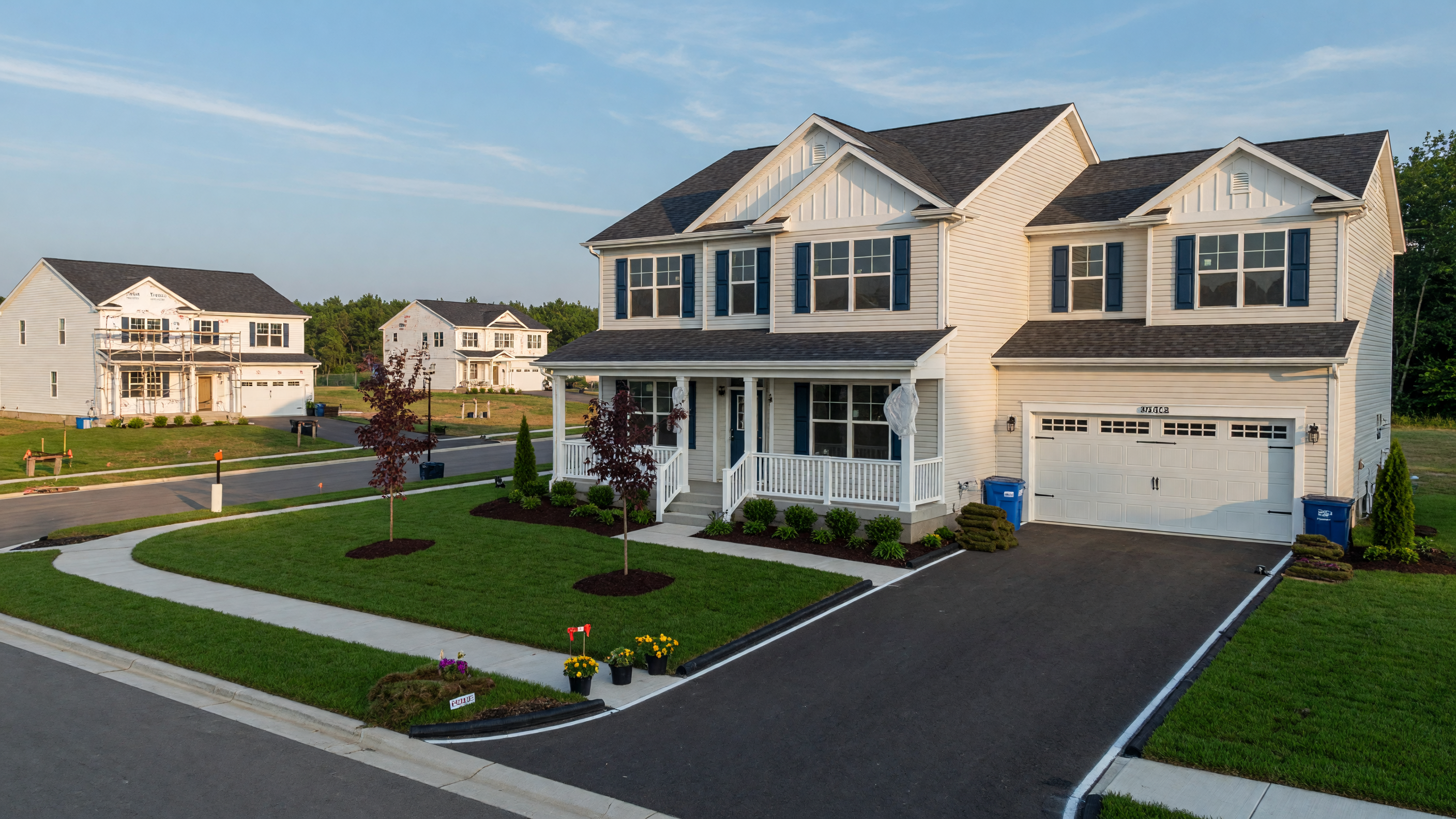
Buying a new construction home in Mid-Michigan gives you the chance to customize floor plans, choose modern finishes, and move into a home built to current energy codes — but it also requires navigating builder contracts, managing upgrade budgets, understanding construction financing, and knowing which builders are active in your target community. This guide covers every step of the new construction process in Genesee, Oakland, and Livingston Counties, from selecting a builder and community through final walkthrough and closing, so you can approach the experience with confidence. For a broader look at the options, see our new construction vs. resale comparison and our new construction buyer representation page.
Key Takeaways
- Active builders regionwide: National builders like M/I Homes, Century Complete, and Lombardo Homes, plus local custom builders, operate across Genesee, Oakland, and Livingston Counties.
- Financing options: Construction-to-permanent (single-close) loans, standalone construction loans, FHA, VA, and conventional mortgages all apply to new builds.
- Builder contracts favor the builder: Every purchase agreement should be reviewed by your buyer's agent before you sign — and many terms are negotiable.
- Warranties vary: Michigan has no mandated builder warranty; coverage depends entirely on the contract. Understand what's covered and for how long.
- Representation is critical: The builder's sales rep works for the builder. A buyer's agent works for you, and builder programs typically cover buyer agent compensation on most new construction transactions.
As a Mid-Michigan REALTOR® with over 20 years of real estate industry experience — including deep expertise in contract processing, transaction management, and marketing — I've helped buyers throughout Genesee County, Oakland County, Livingston County, and surrounding communities navigate the new construction process from lot selection through closing day. In this guide, I'll walk you through everything you need to know before breaking ground.
What This Guide Covers
- The New Construction Process From Start to Finish
- Pros and Cons of Buying New vs. Resale in Michigan
- Top Builders Active in Genesee, Oakland, and Livingston Counties
- Popular New Construction Communities and Subdivisions
- What to Expect During the Build Process
- Understanding Builder Contracts and Warranties
- Customization Options and Upgrade Decisions
- Financing New Construction
- Common Pitfalls and How to Avoid Them
- Why Working With a Buyer's Agent Is Critical
The New Construction Process From Start to Finish
Buying a new construction home follows a different timeline and set of steps than purchasing a resale home. Understanding the full process helps you plan your move, manage your budget, and avoid costly surprises along the way.
Step 1: Get Pre-Approved and Establish Your Budget
Before you tour a single model home, get pre-approved with a lender experienced in new construction financing. Construction loans and construction-to-permanent loans work differently from standard mortgages. Your lender will need to review the builder's plans, specs, and estimated timeline. A solid pre-approval tells builders you're a serious, qualified buyer — and it gives you a realistic budget to work from.
Step 2: Research Builders and Tour Communities
Mid-Michigan has active builders across every price point and build type — from national production builders to local custom firms. Visit model homes, drive through communities under construction, and compare floor plans, included features, and upgrade pricing. This is also the stage where you should bring your buyer's agent to every visit. Most builders require you to register your agent on your first visit to ensure representation throughout the process.
Step 3: Choose Your Lot and Floor Plan
In planned communities, lot selection matters. Consider orientation, lot size, proximity to amenities or busy roads, and future development plans. Your floor plan choice determines your square footage, bedroom count, and layout. Some builders offer semi-custom modifications — like adding a bedroom, extending a garage, or relocating a bathroom — at this stage.
Step 4: Sign the Purchase Agreement and Select Upgrades
The builder's purchase agreement is a detailed legal document drafted to protect the builder. Have your agent review every clause before you sign. After the agreement is executed, you'll visit the builder's design center to select finishes — flooring, cabinets, countertops, fixtures, appliance packages, and structural options. This is where budgets can stretch if you're not careful.
Step 5: Construction Begins
Once the contract is signed and financing is in order, construction starts. The typical timeline in Mid-Michigan ranges from 6 to 12 months depending on the builder, weather, material availability, and the complexity of the build. Your builder will provide periodic updates, and your agent should coordinate walkthrough milestones.
Step 6: Pre-Drywall and Final Walkthroughs
Before drywall goes up, you'll have the opportunity to view the home's framing, electrical, plumbing, and HVAC rough-ins. This is the ideal time for an independent pre-drywall inspection. At the end of construction, a thorough final walkthrough identifies any items that need attention — cosmetic defects, incomplete work, or items that don't match the contract specifications.
Step 7: Closing and Move-In
At closing, you'll sign final documents, fund your permanent mortgage, and receive your keys. Your builder should provide warranty documentation covering structural elements, mechanical systems, and workmanship. Make sure you understand what's covered and the process for filing warranty claims.
Pros and Cons of Buying New vs. Resale in Michigan
New construction and resale homes each come with distinct advantages. Understanding the trade-offs helps you make the right decision for your budget, timeline, and lifestyle.
Advantages of New Construction
- Customization: Choose your floor plan, finishes, and structural options. Your home reflects your preferences from day one.
- Modern energy efficiency: Built to current Michigan building codes, new homes feature better insulation, efficient windows, modern HVAC systems, and lower utility bills.
- Builder warranty: Most new homes include coverage for structural defects, mechanical systems, and workmanship — providing genuine peace of mind during the early years of ownership.
- Reduced maintenance: Everything is new — the roof, the appliances, the HVAC, the plumbing. You're unlikely to face major repair costs for several years.
- Smart home technology: Many builders now include or offer pre-wiring for smart home systems, USB outlets, and modern connectivity as standard features.
Advantages of Resale Homes
- Established neighborhoods: Mature trees, developed landscaping, and a proven community identity are things new construction can't replicate overnight.
- Immediate availability: Once you close, you move in. No waiting 6 to 12 months for construction to complete.
- Known costs: The purchase price reflects the home's current condition. There's no design center visit, no upgrade budget to manage, and no cost inflation after signing.
- Location advantages: Many of the best-located lots in established communities are long since built on, giving resale homes a location advantage that new construction subdivisions can't match.
- Negotiation leverage: Resale transactions often offer more room for price negotiation, repair credits, and contingency flexibility than builder contracts.
For a deeper dive into this comparison, see my detailed article on New Construction vs. Resale: Which Is Right for You?
Top Builders Active in Genesee, Oakland, and Livingston Counties
Mid-Michigan's new construction market includes a mix of national production builders and respected local firms. Here are some of the most active builders across the three core counties.
Genesee County Builders
- M/I Homes — Active in Grand Blanc and Holly, offering two-story floor plans ranging from approximately 1,950 to 2,750 square feet in planned communities like Cambridge Park and Gardens of Riverside.
- Clearview Homes — A regional builder with active projects in the Grand Blanc area, focusing on semi-custom homes with modern floor plans.
- Century Complete — Operating in Davison with communities like The Estates of Irish Farms, offering affordable new construction with streamlined pricing.
- Lombardo Homes — Active in the Fenton and Linden areas with communities including Liberty Shores and Cider Creek, offering a range of single-family home designs.
- Allen Edwin Homes — A Michigan-based builder with communities throughout the region, known for energy-efficient construction and affordable pricing.
- Local custom builders — Firms like Steuer & Associates (Fenton and Linden), Patrick Widing Custom Built Homes, Crannie Construction, and Big Sky Development offer fully custom and semi-custom builds throughout Genesee County.
Oakland County Builders
- Woodbridge Communities — Developing the Hills of Woodbridge in Orion Township, a 114-unit community featuring duplexes and single-family homes along Lapeer Road.
- M/I Homes — Final phase of the Gardens of Riverside subdivision in Holly, with approximately 60 new homes off Grange Hall Road.
- Custom home builders — The Clarkston and Lake Orion areas support a robust custom home market, with builders breaking ground on individual homes throughout Oakland County's wooded communities.
Livingston County Builders
- Allen Edwin Homes — Active in multiple Livingston County communities including Hartland and Brighton.
- Lombardo Homes — Operating in the Brighton and Howell areas with new communities.
- Highland Reserve — A documented new construction community in Hartland offering active builds.
- National and regional builders — Various builders operate communities throughout Hamburg Township, Oceola Township, and Genoa Township, serving the Ann Arbor-adjacent market.
Builder availability and active communities change frequently as phases open and sell out. I keep current inventory information and can help you identify which builders and communities align with your needs and budget. Visit my New Construction page for more details on how I help buyers navigate this process.
Popular New Construction Communities and Subdivisions
New construction activity is concentrated in specific communities across Mid-Michigan. Here are some of the most active areas worth exploring.
Grand Blanc — Genesee County
Grand Blanc is one of the hottest new construction markets in Genesee County. M/I Homes' Cambridge Park community and Clearview Homes projects offer modern floor plans in a community known for its strong school district, convenient I-75 access, and growing downtown scene. New homes here typically range from the $280,000s to the $400,000s depending on lot, plan, and upgrades.
Holly — Oakland County
Holly offers a blend of a small-town setting and Oakland County access. M/I Homes' Gardens of Riverside subdivision provides new construction off Grange Hall Road with two-story plans and community amenities. Holly is also within the Holly Area Schools district, making it attractive to families seeking a balance of affordability and schools.
Orion Township / Lake Orion — Oakland County
The Hills of Woodbridge development along Lapeer Road is a significant new community in Orion Township, with 114 planned residential units. The Lake Orion area continues to attract buyers who want wooded lots, lake access, and the Lake Orion Community Schools.
Davison — Genesee County
Century Complete's Estates of Irish Farms brings affordable new construction to Davison, a family-oriented Genesee County community with a strong school system and community-focused downtown.
Fenton and Linden — Genesee County
The Fenton and Linden areas attract buyers seeking new construction near lake communities and Interstate 75 access. Lombardo Homes' Liberty Shores and Cider Creek communities, along with custom builders like Steuer & Associates, offer options across a range of price points.
Hartland and Brighton — Livingston County
Livingston County's Hartland and Brighton communities remain popular for new construction, driven by school districts (Hartland Consolidated Schools, Brighton Area Schools) and proximity to both Ann Arbor and the Kensington Metropark. Highland Reserve in Hartland is an active new construction community. New home pricing in Livingston County typically starts in the mid-$350,000s and can exceed $600,000 for larger lots and premium finishes.
What to Expect During the Build Process
Once you've signed your purchase agreement and selected your finishes, construction begins. Here's what happens at each stage.
Foundation and Framing (Months 1–3)
The builder pours the foundation and begins framing the structure. This is when the floor plan starts to take physical shape. Weather delays are most common during Michigan winters, so builders typically schedule foundation work for warmer months when possible.
Mechanical Rough-Ins (Months 3–5)
Electricians, plumbers, and HVAC contractors install the systems behind the walls. This is the ideal time for your pre-drywall inspection — once drywall is installed, these systems are hidden from view. An independent inspector can identify issues with electrical wiring, plumbing runs, or HVAC ductwork before they become expensive problems.
Insulation and Drywall (Months 5–6)
Insulation is installed and inspected, then drywall goes up. This is when the home starts to look like a home. You'll see room dimensions, window placements, and the overall flow of the floor plan.
Interior Finishes (Months 6–9)
Cabinets, countertops, flooring, trim, painting, and fixture installations happen during this phase. This is when the design center selections you made months earlier become reality. Pay attention to the quality and accuracy of the work — this is your last opportunity to flag issues before the final walkthrough.
Exterior Completion and Landscaping (Months 8–10)
Siding, roofing, driveways, walkways, and landscaping are completed. Builders in planned communities typically handle front-yard landscaping as part of the community standards. Backyard landscaping may be your responsibility depending on the builder and community.
Final Walkthrough and Closing (Month 10–12)
Your final walkthrough is a detailed inspection of the completed home. Every room, every fixture, every system. Create a punch list of anything that doesn't meet contract specifications or needs correction. Once items are addressed, you proceed to closing.
Understanding Builder Contracts and Warranties
Builder Purchase Agreements
Builder purchase agreements are not standard real estate purchase contracts. They are drafted by the builder's legal team and are designed to protect the builder's interests. Key provisions that deserve careful attention include:
- Construction timeline clauses: Builders typically include language that provides broad flexibility for delays due to weather, material shortages, labor issues, or "acts of God." Understand that the timeline in the contract is an estimate, not a guarantee.
- Change order provisions: Any changes after the purchase agreement is signed — even minor ones — typically trigger change orders with additional costs. Some builders charge a management fee on top of the actual cost of changes.
- Dispute resolution: Many builder contracts include mandatory arbitration or specific dispute resolution procedures that limit your legal options. Have your agent and, if necessary, a real estate attorney review these provisions.
- Price escalation clauses: Some contracts allow the builder to increase pricing if material costs rise between the contract date and construction start. Understand whether your contract includes this provision.
- Deposit structure: Builder deposits typically range from $2,000 to $10,000 or more, with additional deposits due at design center selection and construction milestones. Understand when each deposit is due and under what conditions it's refundable.
Builder Warranties in Michigan
Michigan does not mandate a specific builder warranty for new residential construction. Coverage depends entirely on what the builder includes in the purchase agreement. That said, most reputable builders in the region follow a common "1-2-10" warranty structure:
- 1 year: Workmanship and materials — covers defects in how the home was built, including paint, trim, flooring, and general finish quality.
- 2 years: Mechanical systems — covers plumbing, electrical, and HVAC systems.
- 10 years: Structural defects — covers major structural elements like the foundation, load-bearing walls, and roof framing.
Michigan common law also recognizes an implied warranty of habitability for new home construction, which protects homeowners against fundamental defects that render a home unfit for living. However, this implied warranty may be subject to disclaimers within a builder's contract. Having your purchase agreement reviewed by an experienced agent ensures you understand exactly what warranty protection you're receiving.
Customization Options and Upgrade Decisions
One of the biggest appeals of new construction is the ability to personalize your home. But the upgrade process requires discipline and strategy to avoid exceeding your budget.
Structural Options vs. Cosmetic Upgrades
Structural options — like adding a bedroom, extending a garage, or adding a fireplace — should be decided before construction begins because they're significantly more expensive (or impossible) to add later. Cosmetic upgrades like flooring, countertops, and fixtures can sometimes be done more affordably after closing through independent contractors.
What to Upgrade Before Closing
- Electrical rough-ins: Adding outlets, recessed lighting, and pre-wiring for ceiling fans or surround sound is inexpensive during framing but expensive after drywall.
- Plumbing rough-ins: Adding a rough-in for a future bathroom or water softener loop during construction is a fraction of the cost of retrofitting.
- Structural reinforcement: If you want to add a future second-story expansion or a finished basement, structural reinforcement during the initial build is essential.
- Garage size: A three-car garage costs marginally more than a two-car garage during initial construction but significantly more to add later.
What Can Wait
- Premium flooring: Builder upgrade pricing on flooring is often marked up 30–50% over retail. Installing hardwood or tile through an independent contractor after closing can save thousands.
- Landscaping: Backyard landscaping, patios, decks, and outdoor living spaces are often better addressed after closing when you can shop multiple contractors.
- Window treatments: Builder-grade blinds are functional, but custom treatments can be sourced more affordably independently.
- Appliances: Unless a builder includes a significant discount on a premium package, retail pricing with installation from an independent dealer is often competitive.
I help my clients prioritize upgrade decisions by distinguishing between what must happen now, what saves money by happening now, and what's better addressed after closing. This strategic approach saves my clients thousands on their total cost of homeownership.
Financing New Construction: Construction Loans vs. Permanent Financing
Financing a new construction home involves different loan structures than a standard mortgage purchase. Understanding your options helps you choose the right approach for your situation.
Construction-to-Permanent Loan (Single-Close)
A construction-to-permanent loan combines the construction phase and permanent mortgage into a single closing. During construction, the lender disburses funds in "draws" based on project milestones. You pay interest-only on the disbursed amounts during the build. Once construction is complete, the loan automatically converts to a standard permanent mortgage — conventional, FHA, or VA — with no second closing or additional closing costs. This is the most popular option for new construction buyers because it simplifies the process and reduces total closing costs.
Standalone Construction Loan
A standalone construction loan provides short-term financing (typically 12 months) solely for the building phase. Once construction is complete, you refinance into a permanent mortgage, which means two separate closings and two sets of closing costs. This approach may make sense if you want to shop the permanent mortgage market more aggressively after construction, but the additional costs and complexity make it less common.
Builder-Financed Transactions
Some builders offer their own financing programs or preferred lender relationships with incentives — like closing cost credits, rate buydowns, or design center allowances. These incentives can be valuable, but always compare the builder's financing terms against what you can obtain independently. A lender who doesn't have a relationship with the builder may offer better long-term terms even if the upfront incentives are smaller.
Government-Backed Options
- FHA One-Time Close: Available with as little as 3.5% down, the FHA One-Time Close loan combines construction and permanent financing in a single transaction, similar to a construction-to-permanent loan.
- VA construction loans: Eligible veterans and active-duty service members can finance new construction with zero down payment through VA-guaranteed construction-to-permanent loans.
- USDA loans: Some Mid-Michigan communities fall within USDA-eligible areas, which can mean zero-down-payment financing for qualifying buyers building in those locations.
- MSHDA programs: The Michigan State Housing Development Authority offers the MI Home Loan program, which can be structured as an FHA, VA, or conventional mortgage and may include down payment assistance for qualifying buyers.
Lenders typically require a credit score of 620–680 or higher for construction loans, along with detailed construction plans, a licensed and approved builder, and an appraisal based on the home's projected value upon completion.
Common Pitfalls and How to Avoid Them
New construction buyers face a specific set of risks that don't apply to resale purchases. Here are the most common pitfalls I see — and how to protect yourself.
Not Bringing an Agent on Your First Visit
This is the single most costly mistake new construction buyers make. Most builders require you to register your agent on your first visit to the sales office. If you visit without representation, the builder's sales rep becomes your only advocate — and they work for the builder. Always bring your buyer's agent before you set foot in a model home.
Going Over Budget at the Design Center
The design center is where excitement meets reality. Upgrades that seemed modest individually can add $20,000 to $50,000 to your final price when combined. Set a firm upgrade budget before your design center appointment, and bring your agent to help you stay on track and evaluate which upgrades offer the best value.
Skipping the Pre-Drywall Inspection
Once drywall is installed, electrical wiring, plumbing runs, HVAC ductwork, and framing are hidden from view. An independent pre-drywall inspection catches issues that would be invisible — and expensive — to fix later. The cost of a pre-drywall inspection is minimal compared to the potential cost of hidden defects.
Not Reading the Builder Contract Thoroughly
Builder purchase agreements are lengthy, complex documents. Key provisions regarding delays, change orders, deposits, warranty disclaimers, and dispute resolution can significantly impact your experience. Never sign without a thorough review by your buyer's agent, and consider having a real estate attorney review the contract for complex or high-value transactions.
Failing to Plan for Timeline Delays
Construction timelines are estimates, not guarantees. Michigan weather, material shortages, and labor availability can push your completion date by weeks or months. If you're selling your current home simultaneously or have a lease ending, build buffer time into your plans. I help my clients coordinate the timing of their sale and new construction purchase to minimize gaps and stress.
Trusting the Builder's Verbal Promises
If it's not in the contract, it doesn't exist. Verbal promises about upgrades, timelines, inclusions, or pricing adjustments should always be documented in writing as part of the purchase agreement or a formal addendum. I've seen buyers lose features they were promised verbally because those promises weren't captured in the contract.
Ignoring the HOA and Community Standards
Most new construction communities in Mid-Michigan are governed by a Homeowners Association. Review the HOA covenants, restrictions, and fees before you buy. Understand what's allowed and what isn't — restrictions on outbuildings, exterior modifications, parking, landscaping, and rental policies can affect your lifestyle and future plans.
Why Working With a Buyer's Agent Is Critical — Even for New Builds
One of the most persistent myths in real estate is that you don't need an agent when buying new construction. The reality is that a buyer's agent is just as important — arguably more important — in a new construction transaction than in a resale purchase.
The Builder's Sales Rep Is Not Your Advocate
When you walk into a builder's sales office, the sales representative is legally obligated to represent the builder's interests. They are trained to negotiate on behalf of the builder, not on your behalf. They will be friendly and helpful — but their fiduciary duty runs to the builder, not to you.
Contract Review and Negotiation
Builder purchase agreements are drafted to protect the builder. They include provisions on construction delays, change orders, warranty limitations, and dispute resolution that are heavily weighted in the builder's favor. As your buyer's agent, I review every clause, explain what each provision means for you, and negotiate terms — including pricing, inclusions, construction timelines, and deposit conditions — on your behalf.
Cost Comparison and Value Assessment
I help you compare new construction pricing against resale homes in the same area, evaluate upgrade costs versus aftermarket improvements, and calculate the true total cost of ownership. This analysis ensures you're making an informed decision, not just reacting to the builder's presentation.
Walkthrough Advocacy
During pre-drywall and final walkthroughs, I help identify items that don't meet contract specifications, flag potential quality concerns, and ensure the builder addresses issues before you close. This detailed, experienced eye is invaluable during the stages where most problems are caught — or missed.
Representation That Works for You
On most new construction transactions, the builder compensates the buyer's agent through their standard commission structure. This means you receive full buyer representation — contract review, negotiation, walkthrough advocacy, and professional guidance — at no additional cost to you. There is no financial reason to navigate a new construction purchase alone.
Frequently Asked Questions
How long does it take to build a new home in Michigan?
Most new construction homes in Mid-Michigan take 6 to 12 months to complete, depending on the builder, weather conditions, material availability, and complexity of the build. Custom homes may take longer. Builders provide estimated timelines, but delays are common and buyers should plan accordingly.
Do I need a buyer's agent for new construction?
Yes. The builder's sales representative works for the builder, not for you. A buyer's agent reviews your contract, negotiates on your behalf, attends walkthroughs, and ensures your interests are protected throughout the process.
What builders are active in Genesee County?
Genesee County has active builders including M/I Homes, Clearview Homes, Century Complete, Lombardo Homes, and Allen Edwin Homes, along with local custom builders like Steuer & Associates and Patrick Widing Custom Built Homes. Communities are active in Grand Blanc, Davison, Fenton, Linden, and Holly.
How much do upgrades cost on a new construction home?
Upgrade costs vary by builder and selection, but the total upgrade budget typically adds 10–20% to the base price. Premium flooring, countertops, structural options, and appliance packages are the most common drivers of cost increases. Setting a firm upgrade budget before visiting the design center is essential.
What warranty does a new construction home come with in Michigan?
Michigan does not mandate a specific builder warranty. Coverage depends on the builder's contract. Most reputable builders offer a 1-year workmanship warranty, 2-year mechanical systems warranty, and 10-year structural warranty. Always review the warranty documentation before closing.
Can I use an FHA or VA loan for new construction?
Yes. FHA One-Time Close and VA construction-to-permanent loans are available in Michigan and allow you to finance both the construction and permanent mortgage in a single closing. FHA requires as little as 3.5% down, and VA loans are available with zero down payment for eligible veterans.
Should I get an inspection on a new construction home?
Absolutely. An independent pre-drywall inspection and final walkthrough inspection are strongly recommended, even with a reputable builder. Inspections catch issues during construction that would be invisible — and expensive — to fix after drywall is installed and finishes are complete.
What is a construction-to-permanent loan?
A construction-to-permanent loan (also called a single-close loan) combines your construction financing and permanent mortgage into one transaction. During construction, the lender disburses funds in draws based on build milestones, and you pay interest only on disbursed amounts. Once complete, the loan converts to a standard mortgage. This avoids two separate closings and sets of closing costs.

Keller Williams First · Licensed since 2014 · 20+ years of real estate industry experience · 810-513-3335
Thinking About New Construction?
Let's Navigate the Process Together
Whether you're exploring builders, comparing communities, or ready to sign a purchase agreement, I'll guide you through every step — from contract review to final walkthrough. New construction representation protects your interests at every stage.
Or visit my contact page to send a message.