Negotiation Tips from a Real Estate Pro
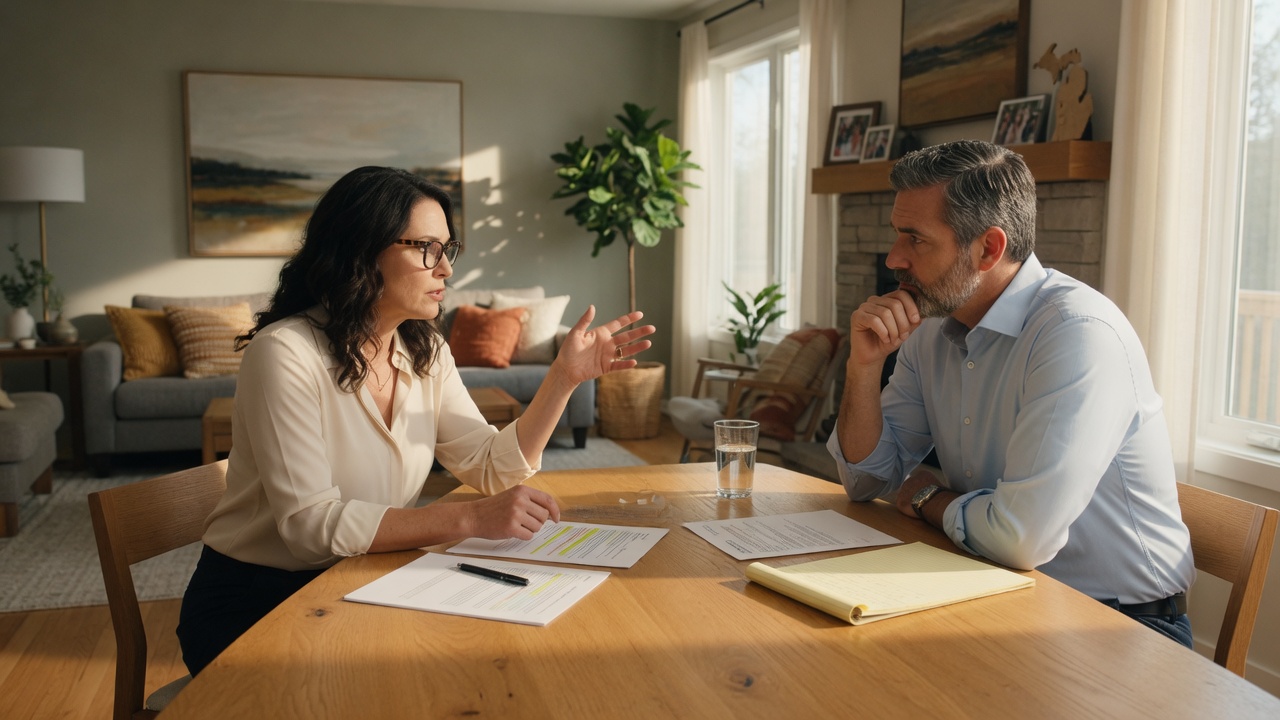
Negotiation is where deals are won or lost. After more than 20 years in the real estate industry — first behind the scenes watching transactions unfold, and now as a licensed agent sitting at the table myself — I've learned that successful negotiation isn't about being aggressive or clever. It's about preparation, communication, and knowing when to push and when to give ground.
Whether you're buying your first home or selling a property you've lived in for decades, understanding how negotiation works in real estate gives you a real advantage. Here are the strategies and principles I rely on in every transaction.
Start with Preparation, Not Tactics
The best negotiations begin long before anyone sits down at the table. Before I negotiate anything, I make sure my client and I are aligned on three things: our goals, our budget ceiling (or price floor), and our walk-away point. That clarity is everything.
For buyers, preparation means having a full understanding of comparable sales in the area, knowing how long the home has been on the market, and being aware of any factors that might give us leverage — or that we need to account for. For sellers, it means pricing strategically, understanding buyer psychology, and being clear on what terms matter most beyond just the offer price.
The agents who wing it are the ones who leave money on the table — or lose deals they should have won.
Understanding the Other Side
Empathy is a negotiation tool that most people overlook. The better you understand what the other party needs and fears, the more effectively you can structure an offer or counteroffer that works for everyone.
A seller who needs to close quickly might accept a slightly lower price for a shorter timeline. A buyer who's been outbid three times might value the certainty of a strong pre-approval letter and a flexible closing date over a few extra thousand dollars. When I know what matters to the other side, I can craft proposals that feel like solutions rather than ultimatums.
How to Handle Multiple Offer Situations
In competitive markets across Mid-Michigan, multiple offers are more common than many people realize, especially for well-priced homes in desirable neighborhoods in Grand Blanc, Fenton, and Holly. Here's how I approach them from both sides.
As a listing agent: I present every offer to my seller with a clear comparison — price, terms, contingencies, financing, and timeline. I don't just push the highest number. I help my seller evaluate the strongest overall offer, which sometimes means a slightly lower price with cleaner terms, fewer contingencies, or a buyer who is more likely to close without issues.
As a buyer's agent: I help my clients strengthen their position before we write the offer. That might mean getting an underwriting pre-approval (not just pre-qualification), offering a flexible closing date, waiving minor contingencies where appropriate, or including a strong earnest money deposit to signal serious intent.
One important caution: in a multiple-offer situation, the worst thing a buyer can do is panic and overpay. My job is to help you put forward your best competitive offer while still protecting your financial interests. We set a ceiling before we enter the situation, and we stick to it.
Concession Strategies That Actually Work
Concessions are one of the most misunderstood parts of negotiation. Many buyers and sellers think concessions are a sign of weakness. In reality, they're tools — and when used strategically, they can make or break a deal.
Here are a few concessions I've seen work effectively:
- Seller-paid closing costs: This can make a big difference for first-time buyers who are stretched thin on cash. A modest seller concession can be the difference between a deal that closes and one that falls through because the buyer couldn't cover closing costs.
- Home warranty coverage: Offering to pay for a one-year home warranty is a relatively low-cost concession that addresses buyer anxiety about potential repairs after closing.
- Flexible move-in dates: Sometimes the most valuable concession isn't financial at all. Allowing the seller extra time to move, or giving the buyer early access for painting and repairs, can smooth over contentious negotiations.
- Repair credits instead of repairs: After an inspection, sellers sometimes prefer to offer a repair credit rather than hire a contractor. This gives the buyer control over who does the work and can actually be faster and cleaner for both sides.
Timing Tactics: When to Move and When to Wait
Timing is an underrated negotiation skill. There are moments in every transaction where patience is more powerful than action.
When I present a counteroffer, I never rush the other side. Giving a reasonable window for response signals confidence and avoids the appearance of desperation. On the flip side, when my client is the one who needs to respond, I make sure we have all the information we need to make a good decision — not a fast one.
There's also the broader timing question: when in the process to negotiate. I've found that trying to negotiate repair credits during the offer stage, before inspections, often backfires. The better approach is to negotiate on price and terms first, handle inspection-related items during the inspection contingency period, and save any final adjustments for the last stretch before closing. Each phase has its own appropriate negotiation window.
The Importance of Staying Calm
Real estate negotiations are emotional. For buyers, it's often the largest financial decision of their lives. For sellers, it can mean parting with a home full of memories. Those emotions are valid — but they can also derail a negotiation if they drive the decision-making.
One of the most valuable things I bring to the table is a calm, steady presence. When emotions run high — when an inspection comes back with surprises, when an appraisal comes in low, when a deal seems like it's falling apart — my clients need someone who can think clearly and communicate professionally. That's exactly what I do.
I've been through hundreds of negotiations over 20+ years. I know that the deal that feels like a disaster at 2 PM can be resolved by 5 PM with the right approach. Staying calm isn't just about temperament — it's about experience. When you've seen enough cycles, you know that most problems have solutions.
When to Walk Away
Sometimes the best negotiation tactic is knowing when to stop. Not every deal should close. If a home has serious structural issues, if the appraisal gap is too wide, if the other party is acting in bad faith — walking away is not failure. It's protection.
I will always be honest with my clients about when a deal no longer serves their interests. That's part of my commitment to earning trust — not just closing transactions.
The Bottom Line
Great negotiation in real estate comes down to preparation, understanding, patience, and clear communication. It's not about tricks or pressure tactics. It's about knowing the market, knowing your client, and knowing when to push and when to pause.
If you're buying or selling a home in Mid-Michigan and want an agent who brings strategic negotiation skills and decades of experience to every deal, I'd love to have a conversation. Schedule a consultation or call me at 810-513-3335.

Keller Williams First · 810-513-3335 · Schedule a consultation