Michigan First-Time Home Buyer Programs & Down Payment Assistance Guide (2026)
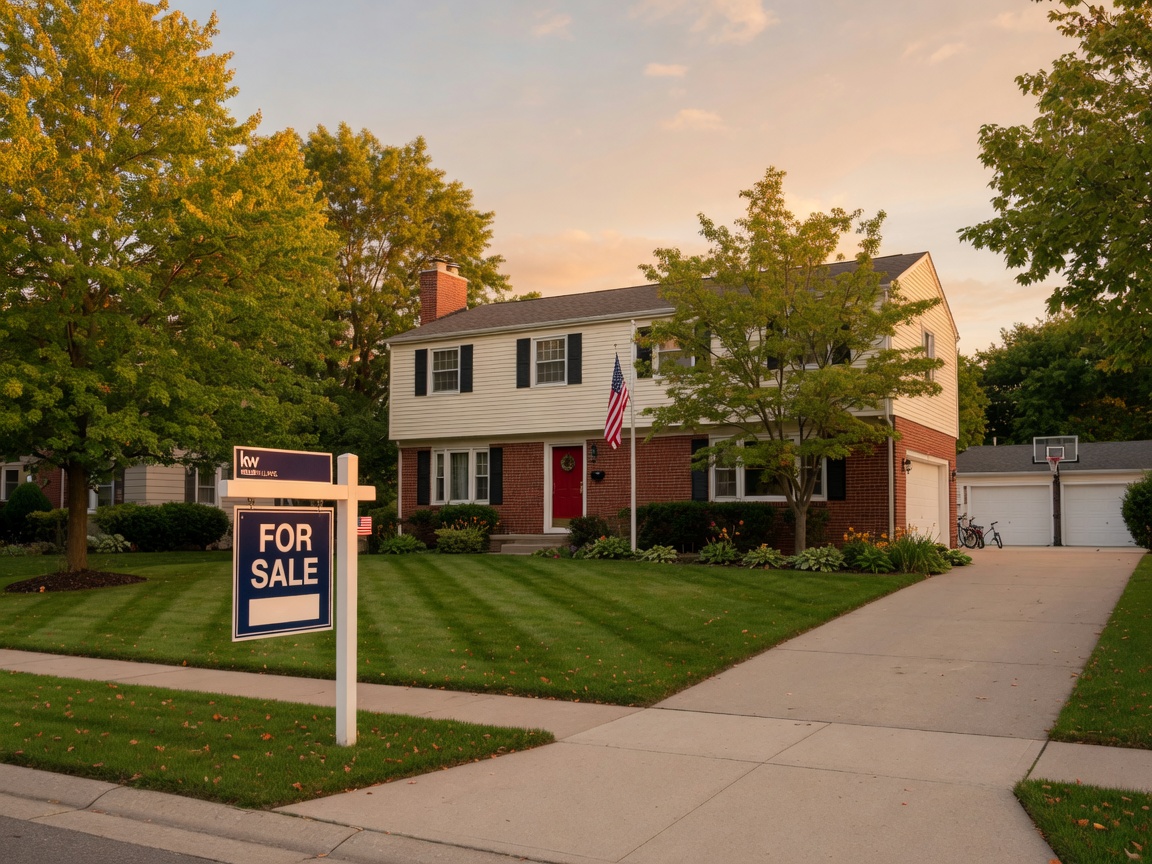
Buying your first home is one of the most significant financial milestones you'll ever reach — and in Michigan, you have more support available than you might realize. Between MSHDA's down payment assistance programs, flexible loan options through FHA, conventional, and USDA Rural Development, and county-level initiatives right here in Genesee, Oakland, and Livingston Counties, the path to homeownership is more accessible than many first-time buyers expect. If you've been wondering how to get started — or how to stretch your savings further — this guide walks you through every major program, eligibility requirement, and application step you need to know in 2026.
MSHDA: Michigan's Primary Resource for First-Time Buyers
The Michigan State Housing Development Authority (MSHDA) is the single most important starting point for first-time homebuyers in the state. MSHDA doesn't lend money directly — instead, it works through a network of approved lenders to offer programs that make homeownership more affordable and accessible. If you qualify, MSHDA can reduce the amount of cash you need to bring to the closing table by thousands of dollars.
MI Home Loan
The MI Home Loan is MSHDA's flagship program and the one most first-time buyers should explore first. It provides affordable mortgage financing paired with the option to receive up to $10,000 in down payment assistance (DPA) as a zero-interest, deferred second mortgage. That means the DPA funds are available to cover your down payment and closing costs, and you don't pay them back until you sell the home, refinance, or pay off your first mortgage — whichever comes first.
The core eligibility requirements for the MI Home Loan include:
- A minimum credit score of 640 (660 for manufactured homes)
- Household income within MSHDA's county-specific income limits
- A purchase price within the program limit — the statewide cap is currently $544,233
- Completion of a HUD-approved homebuyer education course
- First-time buyer status — meaning you haven't owned a home in the past three years
- A minimum borrower contribution of 1% of the purchase price
The MI Home Loan works with FHA, VA, and USDA Rural Development loan programs, giving you flexibility to choose the financing structure that best fits your situation.
MI Home Loan Flex Payment
The MI Home Loan Flex Payment program offers a slightly different repayment structure for the down payment assistance. Rather than fully deferring repayment, this program allows borrowers to make reduced monthly payments on the DPA second mortgage during the first 10 years. This can be a smart option for buyers who prefer predictable, manageable monthly payments over a large deferred obligation. Note that program availability can vary — always confirm current status with a MSHDA-approved lender.
Mortgage Credit Certificate (MCC)
Beyond down payment help, MSHDA offers the Mortgage Credit Certificate — one of the most underused programs available to first-time buyers. The MCC lets qualifying buyers claim up to 20% of their annual mortgage interest as a federal tax credit, up to $2,000 per year. This is a dollar-for-dollar credit against your federal tax liability — not a deduction — meaning it directly reduces what you owe. For buyers on a tight monthly budget, this translates to real savings for as long as you live in the home.
Understanding Income Limits by County
MSHDA programs have household income limits that vary by county, household size, and whether the property is in a "targeted" or "non-targeted" area. Targeted areas — typically designated to encourage homeownership in specific neighborhoods — often have higher income limits, making more households eligible. Here's what first-time buyers in our core service areas should know:
Genesee County
Genesee County — including Grand Blanc, Fenton, Davison, Linden, Swartz Creek, and surrounding communities — has historically had some of the more generous income limits in the state. The county includes designated targeted areas, particularly in and around the City of Flint, which can expand eligibility. For most households, MSHDA income limits in Genesee County are sufficient to cover working families, educators, healthcare workers, and manufacturing professionals. Always verify your specific household size against the most current MSHDA income limit charts.
Oakland County
Oakland County — home to communities like Clarkston, Lake Orion, Oxford, Holly, and Milford — tends to have higher median incomes, which means income limits can be tighter relative to household earnings. Buyers in areas like Pontiac or certain parts of Holly may qualify under targeted-area provisions that allow higher income thresholds. Buyers in the southern Oakland County corridor near Troy, Rochester, or Southfield should confirm they fall within limits before applying.
Livingston County
Livingston County — including Brighton, Hartland, Howell, and Hamburg Township — is one of Michigan's more affluent counties, so income limits may be more restrictive for some households here. However, first-time buyers with moderate incomes in the area often still qualify, and the county's proximity to Ann Arbor and Lansing employment centers means there's a strong buyer pool that can take advantage of MSHDA programs when eligibility aligns.
Important: Income limits are updated annually by MSHDA and can change. The figures listed here reflect general ranges — for an accurate eligibility assessment based on your exact household size and property address, schedule a consultation with me or speak directly with a MSHDA-approved lender.
FHA vs. Conventional vs. USDA: Choosing the Right Loan
One of the most consequential decisions first-time buyers face is choosing between different loan products. Each option has distinct advantages, and the right choice depends on your credit profile, savings, and long-term plans. Here's a clear comparison of the three most common programs Michigan first-time buyers use alongside MSHDA assistance.
FHA Loans
FHA loans are insured by the Federal Housing Administration, which means lenders face less risk and can offer more favorable terms to buyers with limited credit history or lower scores. Key advantages include:
- Down payment as low as 3.5% — on a $200,000 home, that's just $7,000
- Credit score flexibility — borrowers with scores between 580 and 640 may still qualify (with a higher down payment below 580)
- Higher debt-to-income ratios — FHA permits DTI ratios up to 50% in some cases
- Paired with MSHDA assistance — DPA can cover your down payment and closing costs, bringing your out-of-pocket expense close to zero
The trade-off: FHA loans require Private Mortgage Insurance (PMI/MIP) for the life of the loan in most cases, which adds to your monthly payment. However, many first-time buyers refinance into a conventional loan once they've built enough equity, removing PMI at that point.
Conventional Loans
Conventional loans — those not backed by a government agency — have become increasingly accessible for first-time buyers. Key advantages include:
- Down payments as low as 3% through programs like Fannie Mae's HomeReady or Freddie Mac's Home Possible
- PMI can be removed once you reach 20% equity — unlike FHA's lifetime MIP
- Lower total borrowing costs over the life of the loan for buyers with strong credit
- Competitive interest rates for buyers with credit scores of 700+
The challenge for first-time buyers is that conventional loans typically require higher credit scores (620–680+) and stricter debt-to-income ratios than FHA. If your credit is strong and you can afford a slightly higher monthly payment without PMI, conventional may save you money long-term. If you're just starting out financially, FHA paired with MSHDA assistance is often the more practical path.
USDA Rural Development Loans
USDA loans are one of the most powerful — and most overlooked — tools for first-time buyers in Michigan. Here's why:
- Zero down payment required — yes, 0% down
- No PMI — instead, there's a modest annual guarantee fee
- Flexible credit requirements — some lenders approve scores as low as 640
- Competitive fixed interest rates
The catch: the property must be in a USDA-eligible rural area. But "rural" in USDA terms covers much more of Michigan than you'd think. Communities like Davison, Swartz Creek, Linden, Goodrich, Holly, Lake Orion, Oxford, and large portions of Lapeer, Shiawassee, and Tuscola Counties are USDA-eligible. If you're looking at homes in these areas, a USDA loan combined with MSHDA down payment assistance could mean you move into a home with almost no money out of pocket.
Step-by-Step: How to Apply for MSHDA Programs
Navigating MSHDA programs for the first time can feel overwhelming, but the process is straightforward when you break it into steps. Here's exactly how to move forward:
Step 1: Check Your Eligibility
Before anything else, confirm that you meet the basic requirements: first-time buyer status (no homeownership in the past 3 years), minimum credit score of 640, household income within the county limits for your area, and a purchase price within the program cap. If you're unsure about any of these, reach out to me — I can help you assess your situation before you invest time in the formal application.
Step 2: Complete a HUD-Approved Homebuyer Education Course
MSHDA requires completion of a HUD-approved homebuyer education course. This can typically be completed online in a few hours and covers budgeting, credit management, the mortgage process, and homeownership responsibilities. MSHDA maintains a list of approved course providers on their website. The course usually costs between $0 and $50, and you'll receive a certificate upon completion that your lender will need.
Step 3: Find a MSHDA-Approved Lender
You cannot apply for MSHDA programs directly — you must work through a MSHDA-approved lender. These lenders are trained on the specific program requirements and can submit your application. I work with several trusted local lenders who specialize in MSHDA programs and can connect you with the right one based on your financial situation.
Step 4: Get Pre-Approved
Your lender will review your income, credit, assets, and debts to issue a pre-approval. This step is critical — it tells you exactly how much home you can afford and signals to sellers that you're a serious buyer. For MSHDA programs specifically, the pre-approval ensures your financing aligns with program limits before you start shopping.
Step 5: Find Your Home
Once pre-approved, it's time to shop. This is where a local REALTOR® like me makes a significant difference. I help you find homes within program price limits, evaluate neighborhoods, and craft competitive offers that protect your interests while staying within MSHDA guidelines.
Step 6: Close on Your Home
After your offer is accepted, your lender finalizes the mortgage, and you work through inspection, appraisal, title work, and closing. The DPA funds are applied at closing, reducing the cash you need to bring to the table. The entire process from pre-approval to keys typically takes 30–45 days.
Common Mistakes First-Time Buyers Make with Michigan Programs
After years of helping first-time buyers across Mid-Michigan, I've seen the same missteps come up again and again. Avoiding these can save you time, money, and frustration:
- Not checking eligibility early enough. Many buyers assume they won't qualify for MSHDA programs — either their income is "too high" or their credit is "too low" — and never investigate. Income limits in Mid-Michigan are more generous than most people expect, and a credit score of 640 is achievable with a few months of targeted effort. Don't self-select out of programs that could save you $10,000 or more.
- Making large financial changes during the process. Once you've been pre-approved, avoid opening new credit accounts, making large purchases, changing jobs, or moving large sums of money between accounts. Lenders re-check your financial profile before closing, and any significant change can delay or derail your loan.
- Skiping the homebuyer education course. Some buyers treat the HUD-approved course as a box to check rather than a genuinely useful resource. The course covers budgeting, insurance, maintenance, and rights and responsibilities that can prevent costly mistakes in your first year of homeownership.
- Shopping above program limits. The statewide MSHDA purchase price cap is $544,233, but the affordable sweet spot for MSHDA buyers in Mid-Michigan is typically well below that. Falling in love with a home above program limits means you either lose the assistance or need to find alternative financing — neither of which is ideal.
- Not comparing loan types. Many first-time buyers default to whatever their bank offers without exploring whether an FHA, conventional, or USDA loan would serve them better. Each product has different costs, insurance requirements, and long-term implications. A good lender will walk you through the comparison, but you need to ask.
- Going it alone without a local agent. A knowledgeable REALTOR® who understands MSHDA guidelines, local market pricing, and neighborhood nuances is invaluable — especially for first-time buyers. From ensuring your offer is within program parameters to coordinating the inspection timeline, having experienced representation protects you at every step.
Additional Programs and Resources
Beyond MSHDA and the federal loan programs, Michigan first-time buyers have several additional resources worth exploring:
FHLBI Launch Program
The Federal Home Loan Bank of Indianapolis (FHLBI) offers the "Launch" program, providing up to $20,000 in down payment and closing cost assistance to qualifying first-time buyers. This is one of the most generous programs in the state. It works through FHLBI member financial institutions, so you'll need to apply through a participating lender.
Employer-Assisted Housing (EAH)
Through MSHDA's Employer-Assisted Housing initiative, Michigan employers can provide down payment assistance to their employees. If your employer participates — or could be encouraged to participate — you may receive additional funds toward your purchase. Ask your HR department whether your company is part of an EAH program.
Local and County Programs
Genesee County, Oakland County, and various municipalities within them occasionally offer their own homebuyer assistance programs. These can include down payment grants, tax abatements, and property improvement loans. Availability varies year to year, so checking with your county housing office is always worthwhile.
Why Mid-Michigan Is the Right Place to Start
Mid-Michigan remains one of the most affordable real estate markets in the state, which means your down payment assistance goes further here. A $10,000 DPA grant that might barely cover closing costs in metro Detroit could represent a substantial portion of the down payment on a home in Grand Blanc, Davison, Fenton, or Swartz Creek. Combined with USDA's zero-down option in eligible areas and the region's strong schools and communities, these programs make homeownership genuinely accessible — even for buyers who thought they needed to save for years.
The key is knowing which programs stack together, understanding your specific eligibility, and working with professionals who know the system. That's exactly what I help my clients do every day.
Ready to Explore Your Options?
Every first-time buyer's situation is different — different income, different credit profile, different timeline, different goals. That's why personalized guidance matters so much. I've helped buyers across Genesee, Oakland, and Livingston Counties navigate MSHDA programs, choose the right loan product, and close on homes they love — often with less out of pocket than they expected.
If you're thinking about buying your first home in Mid-Michigan, I'd love to have a conversation about your options. There's no cost and no obligation — just honest guidance based on 20+ years of real estate experience.
Schedule a free consultation or call me directly at 810-513-3335. Let's figure out which programs you qualify for and build a plan to get you into your first home.
Frequently Asked Questions
How much down payment assistance can I get in Michigan?
Depending on the programs you qualify for, you could receive between $7,500 and $25,000 or more. MSHDA offers up to $10,000 in deferred-repayment assistance, and the FHLBI Launch program provides up to $20,000. Many buyers can stack multiple programs to maximize their benefit.
Do I have to be a first-time homebuyer to qualify for MSHDA?
MSHDA defines "first-time buyer" as someone who hasn't owned a home in the past three years. So even if you've owned before, you may still qualify. FHA, conventional, and USDA loans have no first-time buyer requirement at all — they're available to any eligible buyer.
Can I use down payment assistance with a USDA loan?
Yes. USDA loans already offer zero down payment, but you can layer state and local assistance programs to cover closing costs, prepaid items, and other expenses. This can reduce your out-of-pocket cost to near zero. Check with your lender to confirm compatibility.
What credit score do I need?
Most MSHDA programs require a minimum credit score of 640. FHA loans allow scores as low as 580 with 3.5% down, and USDA loans typically require 640. If your score is below these thresholds, focus on credit improvement first — even a few months of targeted effort can make a meaningful difference.
How long does the MSHDA application process take?
From initial lender consultation to closing, the process typically takes 45–60 days. The homebuyer education course can be completed in a few hours online. Most delays come from documentation gaps or home search timelines rather than the program itself. Working with an experienced lender who knows MSHDA requirements keeps the process on track.
Are MSHDA programs available in every Michigan county?
Yes, MSHDA programs are available statewide. Income limits and targeted-area designations vary by county, but every Michigan county has MSHDA-eligible buyers and properties. Mid-Michigan counties — including Genesee, Oakland, Livingston, Lapeer, Shiawassee, Saginaw, and Tuscola — are all fully covered.
Keller Williams First · Licensed since 2014 · 20+ years of real estate industry experience · 810-513-3335
Ready to Explore Your Options?
Let's Find the Right Path to Homeownership for You
From MSHDA down payment assistance to USDA zero-down loans, there are more paths to homeownership than most buyers realize. Let me connect you with the right resources and lenders.
Schedule a Free ConsultationOr call 810-513-3335