Downsizing in Mid-Michigan: The Complete Guide to Right-Sizing Your Home
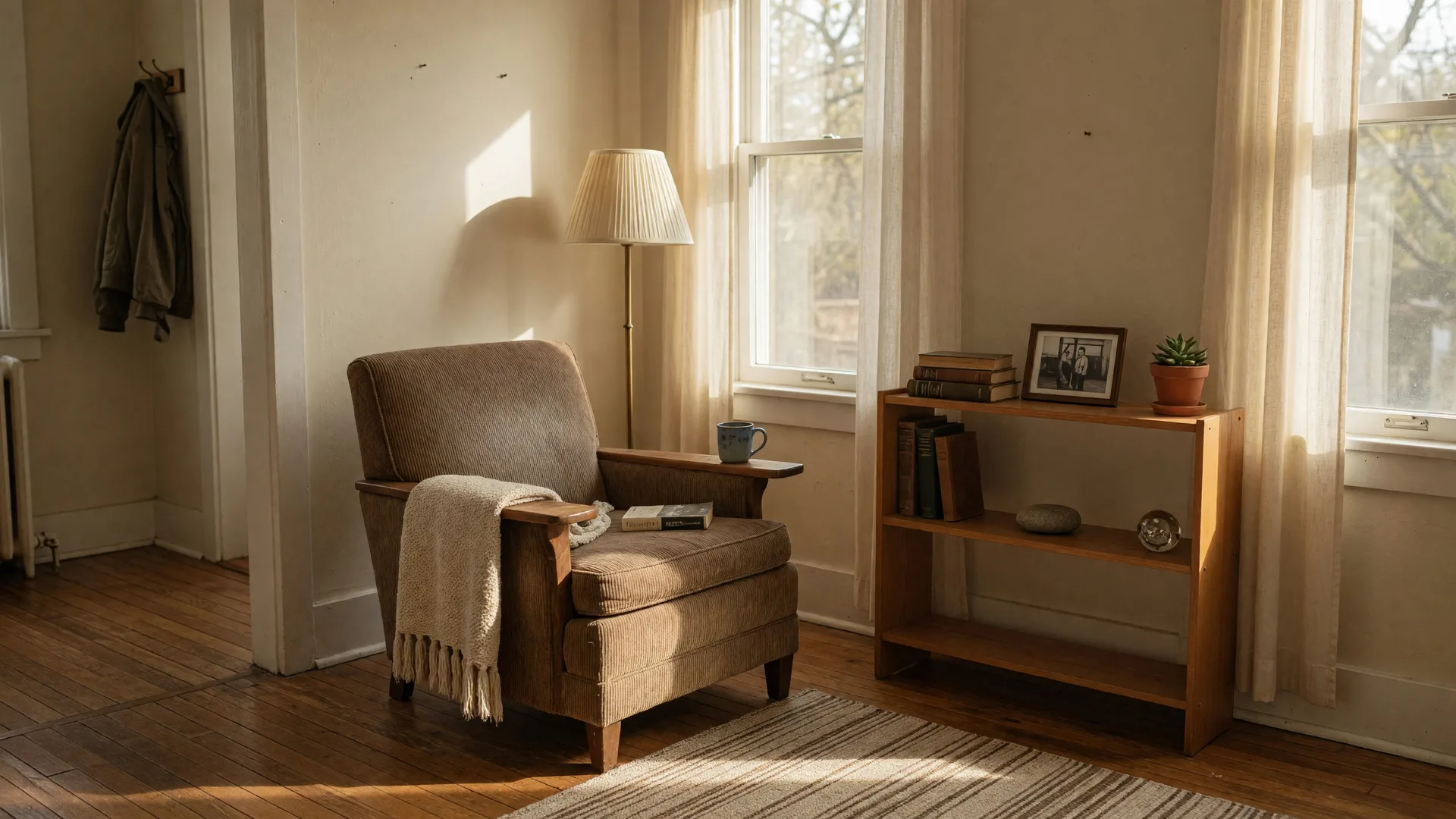
Downsizing is one of those transitions that looks simple on paper but lives somewhere entirely different in practice. You have spent years — maybe decades — filling a home with furniture, memories, kitchen gadgets, holiday decorations, and boxes in the attic you haven't opened since the last move. The idea of condensing all of that into a smaller footprint can feel overwhelming before you even start. But here is what I have learned from helping dozens of Mid-Michigan homeowners through this process: when it is done with a clear plan and the right support, downsizing does not just free up space. It frees up your life.
Whether you are an empty nester with rooms that haven't seen a visitor in years, a retiree looking to simplify, or someone over 55 who wants a home that is easier to maintain, this comprehensive guide covers everything you need to know about downsizing in Mid-Michigan — from knowing when it is time and handling the emotional side, to finding the right community and maximizing your equity.
When Does It Make Sense to Downsize?
There is no universal right time, but there are common signals that it might be worth exploring:
- You are maintaining more space than you need. If half your rooms are rarely used, you are paying to heat, cool, insure, and maintain square footage that isn't serving you.
- Maintenance is becoming a burden. Mowing a large yard, climbing stairs, dealing with a roof repair, or keeping up with seasonal upkeep can feel like a second job — especially if you are doing it alone.
- Your equity could work harder for you. Many long-time homeowners have significant equity tied up in their home. Downsizing can free up funds for retirement savings, travel, or other goals.
- You want a lifestyle change. Maybe you want to be closer to downtown, walk to restaurants and shops, or live in a community with amenities designed for your stage of life.
- Your physical needs are changing. Stairs that once felt effortless can become an obstacle. A two-story home that made sense for a growing family can become a liability when mobility becomes a concern.
If any of these resonate, it is worth having a conversation about your options — even if you are not ready to move tomorrow.
Age-Specific Considerations: Downsizing After 55
Downsizing in your 50s, 60s, or beyond is qualitatively different from the downsizing conversations you might have had in your 40s. At this stage, the decision is usually driven by a convergence of factors:
- Your time is more valuable. Many clients in this age group tell me they would rather spend their weekends at the lake, traveling, or with grandchildren — not mowing an acre of grass or cleaning rooms nobody uses.
- Financial optimization matters more. With retirement on the horizon or already underway, every dollar of equity counts. Right-sizing can free up significant capital for retirement savings, healthcare reserves, travel, or simply the peace of mind that comes with lower monthly expenses.
- Community matters more than square footage. After 55, many buyers prioritize proximity to healthcare, walkability, cultural amenities, and social connections over extra bedrooms and oversized garages.
The Emotional Side of Letting Go
This is the part that nobody puts in a spreadsheet, and it is the part that matters most. Your home holds your memories. The kids' height marks on the door frame. The kitchen where you hosted Thanksgivings for twenty years. The garden you planted the first spring you moved in. Letting go of that is emotional, and it is completely valid to grieve the loss of a home that meant something to you.
I have sat across the table from clients who cried while signing the listing agreement — not because they were unhappy about moving, but because the house had meant so much to them. I approach every downsizing client with patience, sensitivity, and zero pressure. There is no deadline for this decision, and no reason to rush it.
Here is what I tell every client: downsizing is not about leaving your memories behind. It is about carrying them forward into a space that better serves the life you are living now. The memories travel with you. The photos, the furniture that matters, the traditions — those go where you go. What changes is the space around them, and almost every client I have worked with tells me afterward that the move felt like a relief once it was done.
Getting Started: The Room-by-Room Method
The single biggest mistake I see people make when downsizing is trying to tackle everything at once. That approach leads to decision fatigue, emotional exhaustion, and eventually a stalled project. Instead, I recommend the room-by-room method — and it works best when you give yourself permission to take it slowly.
Here is the framework I share with my clients:
- Start with the easy rooms. Guest bedrooms, formal dining rooms, and bonus spaces you rarely use are the best starting point. These rooms typically contain items you won't miss, making it easier to build momentum and confidence.
- Create four categories: Keep, Donate, Sell, Discard. Every single item gets sorted into one of these piles. If it does not fit in your new space, if it does not serve a purpose, or if it has not been used in the last 12 months, it is probably time to let it go.
- Handle sentimental items last. This is the hardest part. Photo albums, your children's artwork, your mother's china set — these items carry emotional weight. Give yourself grace here. Photograph items you want to remember but cannot take with you. Digitize old documents and photos. Keep a small memory box of the most meaningful pieces.
- Enlist help. Having a trusted friend, family member, or professional organizer work alongside you makes a remarkable difference. They can provide objectivity when you are stuck on a decision and keep you moving forward.
If you are ready to begin, download my 14-Step Home Selling Process Checklist for a complete preparation timeline that includes downsizing-specific steps.
Financial Benefits of Downsizing
Beyond the lifestyle advantages, downsizing can make a meaningful difference in your financial picture. Here is what to consider:
- Equity release. If you have owned your Mid-Michigan home for many years, you likely have significant equity built up. Downsizing into a less expensive property can free up cash for retirement savings, travel, healthcare reserves, or simply peace of mind. Many clients find their monthly expenses drop by $500 to $1,000 after right-sizing.
- Lower monthly costs. A smaller home means lower mortgage payments (or no mortgage at all), reduced property taxes, smaller utility bills, and less spent on maintenance and repairs. Over five or ten years, those savings add up considerably.
- Reduced maintenance burden. Consider what you currently spend annually on lawn care, snow removal, roof repairs, HVAC servicing, and general upkeep. Downsizing — especially into a condo or townhome — can eliminate many of these costs entirely.
- Reduced financial risk. Smaller homes typically require less deferred maintenance and carry lower repair costs. Instead of budgeting for a major roof replacement on a 3,000-square-foot home, you are maintaining a more manageable property.
Tax Considerations When Downsizing
Downsizing can have meaningful financial benefits, but there are also tax considerations to plan for. Here are key points to discuss with a tax professional:
- Capital gains exclusion. If you have lived in your primary home for two of the last five years, you may be able to exclude up to $250,000 of profit from federal taxes on the sale of your home (or $500,000 for married couples filing jointly). This is a significant benefit that rewards long-term homeownership.
- Property tax considerations. Michigan's property tax structure, including the Principal Residence Exemption (PRE), can affect your tax bill in your new home. If you are moving within Michigan, you will need to transfer your PRE. Learn more in my Complete Guide to Michigan Property Taxes.
- Equity deployment. The difference in equity between your current home and a right-sized property can supplement retirement savings, fund renovations in your new space, or simply provide peace of mind.
- HOA fees. While HOA fees themselves are generally not deductible on a primary residence, they replace many out-of-pocket costs you are currently paying (landscaping, snow removal, exterior maintenance).
I always recommend that my clients consult with a financial advisor or tax professional before making their move. I can connect you with trusted professionals in my network who specialize in these transitions.
Finding the Right-Sized Home
Right-sizing is not about moving into the smallest possible space. It is about finding a home that matches the life you want to live next — not the life you lived ten or twenty years ago.
For many downsizers in Mid-Michigan, that means one or more of the following:
- A ranch-style home with everything on one level — no stairs, easier maintenance, and a layout that works for every stage of life ahead.
- A condominium or townhome where exterior maintenance, snow removal, and landscaping are handled for you.
- A smaller single-family home in a walkable community near downtown shops, restaurants, and gathering places.
- An active adult community designed for homeowners 55 and older, with amenities like clubhouses, walking paths, and social programming.
What to Prioritize
- Single-level living. For many downsizers, eliminating stairs is a top priority. Ranch-style homes and first-floor condos are popular choices across Mid-Michigan.
- Low-maintenance exterior. Look for properties with HOA-covered landscaping, snow removal, and exterior repairs. Townhome communities and planned developments are ideal for this.
- Location over square footage. Many downsizers tell me they wish they had moved closer to downtown, restaurants, or walkable areas years ago. Downsizing is the perfect opportunity to prioritize location and lifestyle.
- Storage that works. A smaller home does not mean no storage — it means smarter storage. Look for homes with well-designed closets, a garage with built-in organization, or community storage options.
Mid-Michigan Communities for Downsizers
Mid-Michigan offers a wonderful range of communities that work beautifully for right-sizing. The right choice depends on what matters most to you — walkability, proximity to family, access to healthcare, cultural amenities, or simply a quieter pace. Browse all communities on my Cities Served page.
For Walkability and Downtown Access
Fenton and Grand Blanc both offer areas where you can walk to shops, restaurants, and community events. Downtown Fenton has a charming Main Street with local boutiques, cafes, and a strong sense of community. Many condo and townhome developments in these areas offer maintenance-free living within minutes of everything you need.
For a Small-Town Feel
Holly, Linden, and Davison offer a quieter pace with genuine small-town atmosphere. These communities have active local events, access to outdoor recreation, and more affordable price points — meaning your equity can go further here. Holly, in particular, offers Oakland County schools without Oakland County price tags.
For Proximity to Oakland County Amenities
Communities on the Oakland County side — including Clarkston and Lake Orion — give you easy access to major medical centers, cultural venues, shopping, and dining while still offering peaceful residential settings. Lake Orion's downtown has a walkable charm that appeals to many downsizers.
For Livingston County Quality of Life
Brighton and Hartland in Livingston County offer excellent healthcare access through the University of Michigan Health system, walkable downtowns, and a strong sense of community. These communities tend to attract active retirees who want convenience without sacrificing quality of life.
Condo and Maintenance-Free Options
For many downsizers, the biggest appeal of a condo or townhome is simple: someone else handles the exterior maintenance, snow removal, landscaping, and building repairs. That alone can be life-changing.
Across Mid-Michigan, you will find a range of options:
- Condominiums in planned communities with HOA-covered exterior maintenance, often including water, trash, and common area upkeep.
- Townhomes that offer more space than a condo but still handle exterior care, giving you the best of both worlds.
- Active adult communities designed specifically for homeowners 55 and over, with amenities like clubhouses, fitness centers, walking paths, and social activities.
I help clients evaluate HOA fees, what is covered, financial reserves, and community rules before making a decision. These details matter more than most people realize. A low HOA fee sounds great until you discover the community has no reserves and a special assessment is coming. I help you see the full picture.
Preparing Your Current Home for Sale
When you are ready, the selling process is where your years of equity can truly pay off. Long-time homeowners in Mid-Michigan often have substantial equity built up, and a well-positioned listing can yield strong returns.
Here is what I focus on when helping downsizers prepare their homes for sale:
- Decluttering with intention. This is about editing — letting go of the things that no longer serve the space and highlighting the features that buyers value most. I help clients prioritize what to pack, what to donate, and what to keep.
- Deep cleaning and minor updates. A thorough cleaning, fresh paint in neutral tones, and small fixes (new hardware, updated light fixtures, clean caulking) can dramatically improve first impressions without a major investment.
- Staging for broad appeal. Buyers need to see themselves in the home. That means simplifying furniture arrangements, maximizing natural light, and creating a clean visual flow from room to room.
- Pricing strategically. I use current market data and neighborhood-specific comps to position your home at the right price — one that generates interest and competition without leaving money on the table.
My Seller Strategy page details my full approach, and my Preparing Your Home for Sale guide offers more hands-on preparation tips.
Staging Your New Smaller Space
Once you have found your new home and moved in, the question becomes: how do you make a smaller space feel open, functional, and like yours? Staging is not just for selling — it is for living well in your new space.
- Edit ruthlessly. Every item needs to earn its place. If something does not serve a function or bring you joy, it is taking up valuable real estate.
- Invest in multi-functional furniture. A dining table that doubles as a workspace, an ottoman with hidden storage, or a bed with drawers underneath can dramatically increase your usable space.
- Use vertical space. Wall-mounted shelves, tall bookcases, and hooks on the backs of doors help you maximize every square inch. Think up, not out.
- Stick to a cohesive color palette. Lighter, neutral tones make a smaller space feel open and airy. Add warmth and personality through textiles, artwork, and accent pieces rather than heavy furniture.
- Let in light. Sheer window treatments, strategically placed mirrors, and good overhead lighting all make a smaller space feel bigger and more inviting.
Practical Steps: Your Downsizing Checklist
If you are considering downsizing in Mid-Michigan, here is a step-by-step approach:
- Start with a conversation, not a commitment. I offer complimentary consultations where we discuss your timeline, goals, financial picture, and target communities. There is no pressure and no obligation.
- Get a preliminary home valuation. Understanding your home's current market value helps you assess the financial implications of a move. I provide a detailed Comparative Market Analysis so you know exactly where you stand.
- Explore communities before you commit. Spend time in the neighborhoods you are considering. Visit on different days and at different times. Attend a local event. Have lunch downtown. Get a feel for the rhythm of the community.
- Start decluttering early. The emotional and physical work of sorting through decades of belongings takes longer than most people expect. Begin the process well before you list your home. Use the room-by-room method described above.
- Consult with financial and tax professionals. I connect my clients with trusted advisors who specialize in retirement transitions, tax optimization, and estate planning.
- Set a realistic timeline. Most downsizing transitions take three to six months from the initial conversation to moving day. Give yourself time to make thoughtful decisions.
Download my 14-Step Home Selling Process Checklist for a complete walkthrough of every milestone. And if you are buying your next home rather than renting, my 12-Step Home Buying Journey Guide covers the process from pre-approval to closing.
A Story I Have Seen Many Times
A few years ago, I worked with a couple in their early 60s who had raised their family in a four-bedroom colonial in Grand Blanc. The kids were gone, the house was immaculate, and every room on the second floor was essentially a museum of their family's history. They loved that home — but they also loved the idea of walking downstairs in the morning, making coffee, and not thinking about what needed to be cleaned, repaired, or maintained.
We found them a beautiful ranch-style condo in Fenton with a covered porch, a small patio, and an HOA that handled everything outside. Their monthly expenses dropped by nearly $800. They used a portion of their equity to fund a travel fund they had been dreaming about for years. And last I heard, they were spending their winters in Florida and their summers at local festivals, with no lawnmower in sight.
That is what right-sizing looks like. It is not about having less — it is about having what matters most.
Related Reading
These additional resources may help you as you plan your downsizing journey:
- Retirement Living in Mid-Michigan — the best communities for your next chapter
- How to Get Your Home Ready to Sell in One Weekend — fast prep tips for your current home
- Complete Guide to Michigan Property Taxes — understand PRE, homestead exemptions, and tax implications
- Preparing Your Home for Sale: A Mid-Michigan Perspective — staging and preparation guide
- What Is Your Home Worth? — understanding the CMA process
- Buyer Representation for Downsizers — how I help right-sizing buyers find their perfect next home
- Seller Strategy — my complete approach to marketing and selling your current home
Start the Conversation
If you are thinking about downsizing in Mid-Michigan, I would love to help you explore your options. We can look at your home's current value, discuss what communities and home types make sense for your lifestyle, and create a plan that feels comfortable — not rushed. There is no pressure and no one-size-fits-all timeline.
Schedule a consultation, call me at 810-513-3335, or email joyce@midmichiganliving.com. Let us make your next chapter the best one yet.

Keller Williams First · 810-513-3335 · Schedule a consultation